Place13′
An afternoon at Makryonitis' distillery on Syros
Tsipouro and other Cycladic spirits
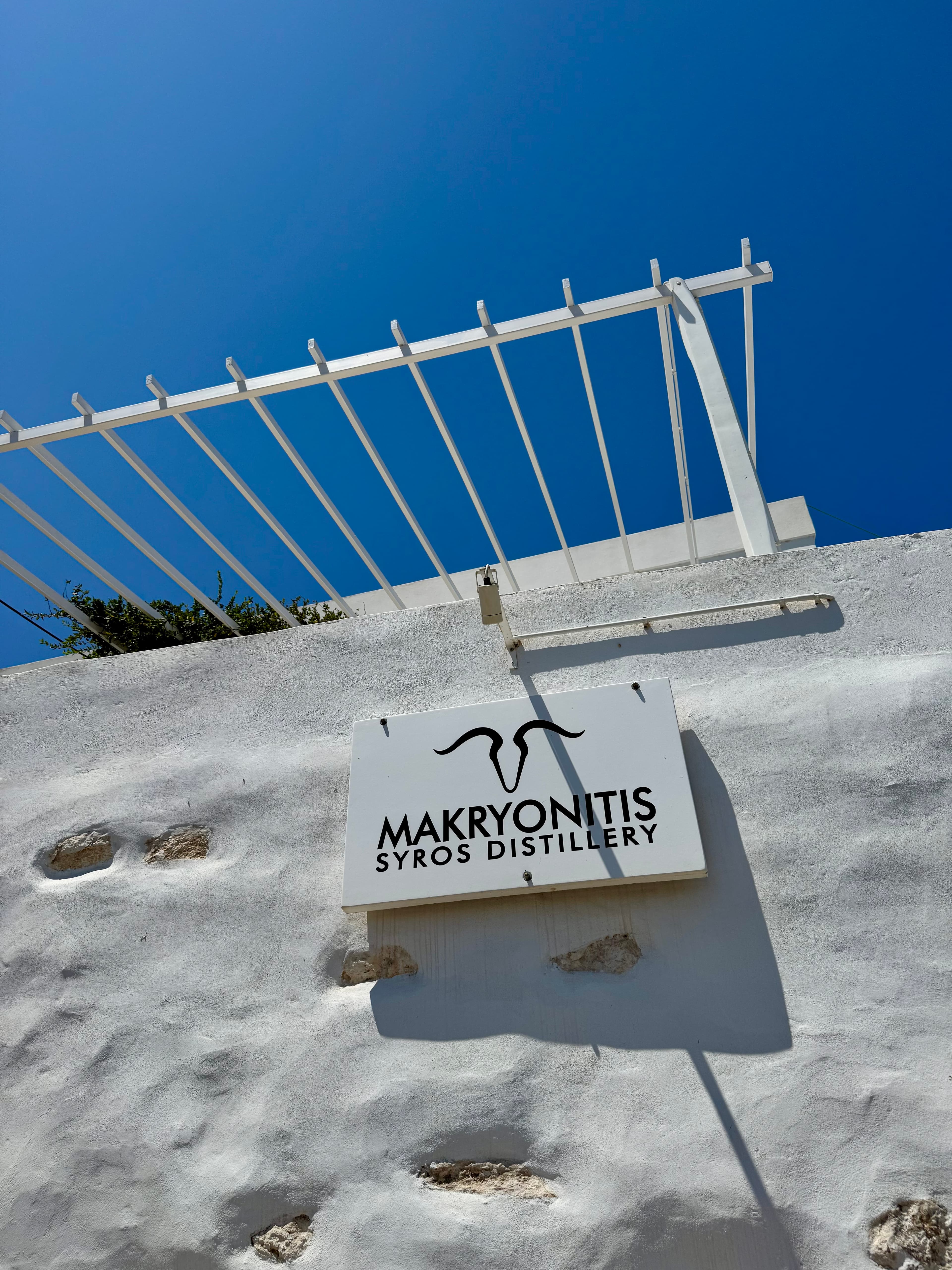
The entrance to the distillery in Vari, Syros.
Tsipouro and other Cycladic spirits
The entrance to the distillery in Vari, Syros.
One of my earliest bad memories is opening the fridge at home late at night and grabbing a bottle of “water,” and drinking frantically before I realized what was actually inside the bottle. I’m sure it’s a memory I share with other people who grew up in places where spirits are produced, especially in the Mediterranean, the Balkans, and perhaps even countries in Latin America. At the end of June, I was fortunate enough to be hosted by Nikolas Makryonitis at his distillery on Syros, where I learned more about how my favorite drink is made and also got to taste some fine spirits.
I laughed a lot while writing that this was a bad memory, because in the end, tsipouro was destined to become one of the drinks I enjoy the most.
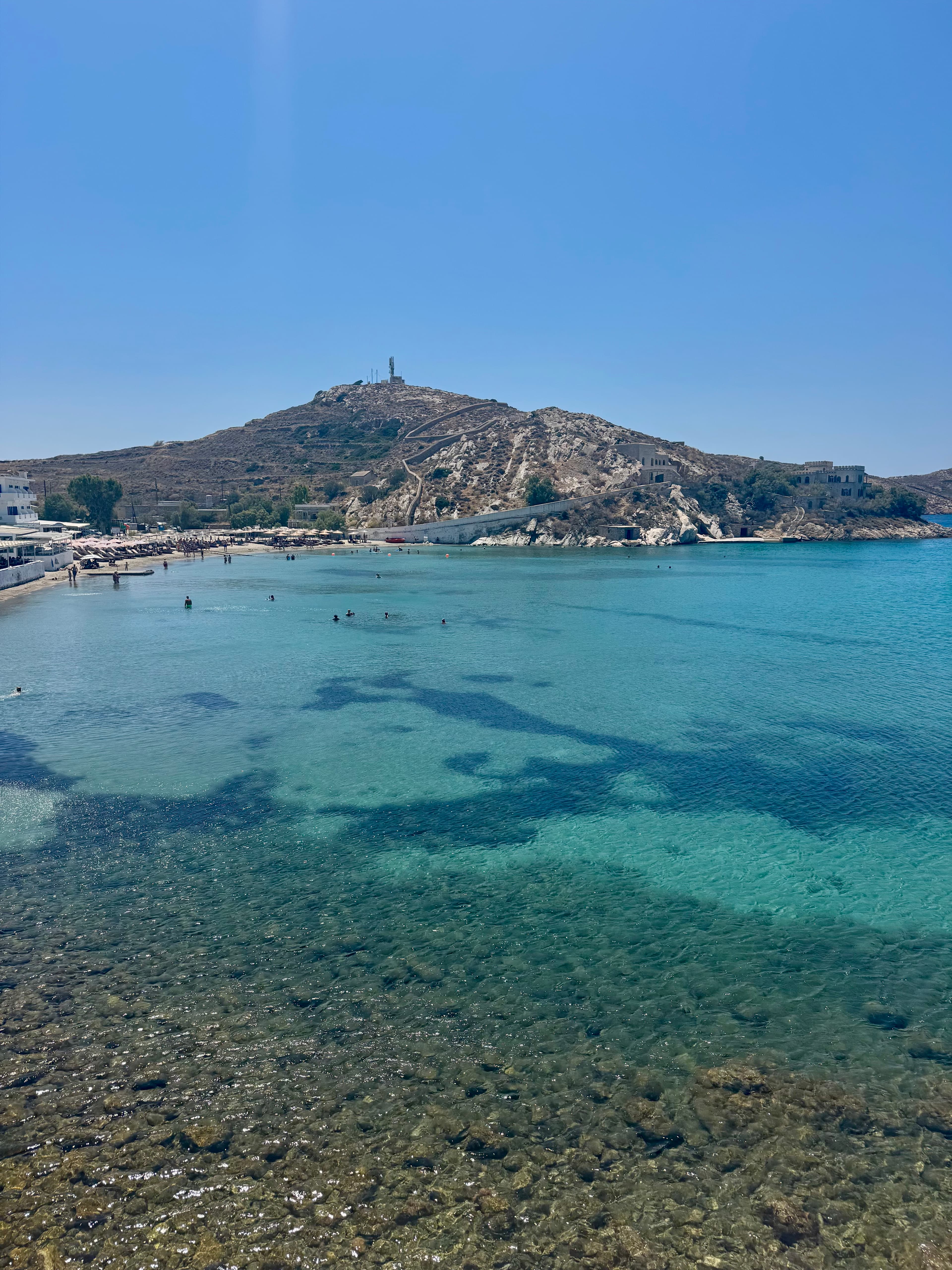
Makryonitis’ distillery is located in Vari, a village near the oldest Neolithic settlement on Syros, right next to the homonymous beach. I set out for the visit early in the afternoon and arrived very excited, having already sampled the distillery’s tsipouro at restaurants on the island. At the distillery, however, I would find even more delicious spirits, but let’s start from the beginning: The distillery was founded in 2017 with a logo featuring a goat’s head, a reference to the god Pan, who was considered the patron god of Syros during the Hellenistic period, as well as to the iconic role that the goat has played in the survival of the inhabitants of the arid Aegean islands over the centuries.
Nikolas welcomed me into a space that, at first glance, looks like a traditional Cycladic house, but inside it holds everything a distiller needs to work his magic. There were a few people there to pick up bottles of tsipouro, so I had a little time to look around on my own before Nikolas gave me a tour, and, of course, the first thing I discovered was the room where the tasting would take place. The surprise wasn’t just the variety of spirits I found on the table, but also the raw materials used to produce them. So let’s see how a spirit makes its way into our glass. Makryonitis mainly produces tsipouro, and it is the first distillery to have distilled and bottled a spirit made from fresh figs.
Tsipouro is a pomace spirit, distilled from what remains of the grape after winemaking: skins, seeds, pulp. The more skin the mixture contains, the richer the resulting flavor profile. Over 20 Cycladic grape varieties are used. The fig spirit follows the same basic path, fermentation, distillation, aging, but starts from a different raw material: not a byproduct of another process, like pomace, but the whole fresh fig, picked one by one by hand from the tree in August.
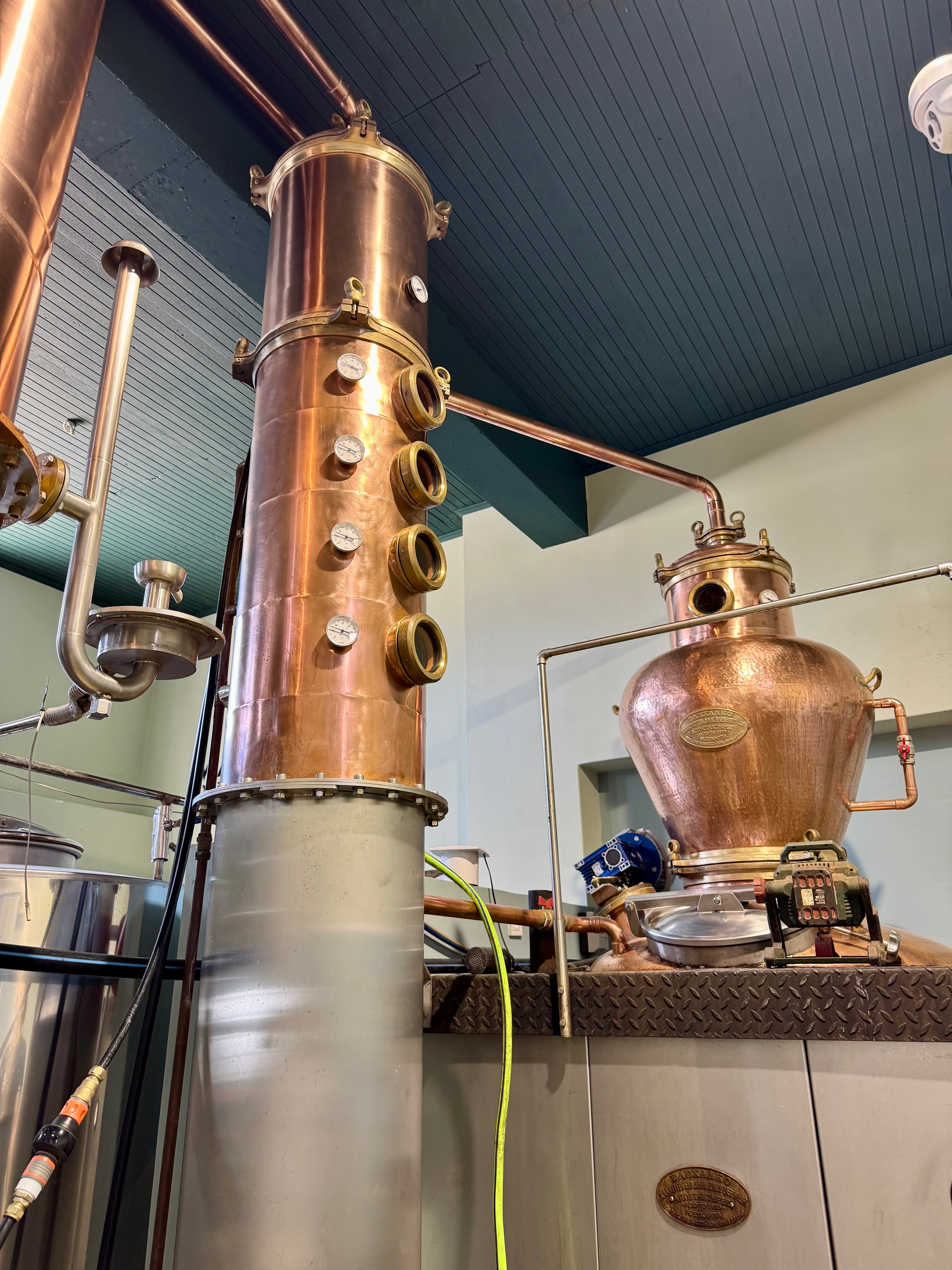
Fermentation takes place in a cooling chamber at low temperature, up to 20°C, with a maximum of 25°C at the core of the mass, to preserve the primary aromas. Distillation is carried out in a traditional 1,000-liter copper still. Alcohol boils at 78°C, water at 100°C, so the vapors are richer in alcohol, carrying the aromatic compounds with them. The distillate isn’t a single stream: it comes off in three successive fractions that the distiller must separate. First the heads, carrying the most volatile, undesirable compounds; then the heart, clean and clear, the part that’s ultimately kept; and finally the tails, with little alcohol and a lot of water. The distillation season runs for two months, Monday through Saturday.
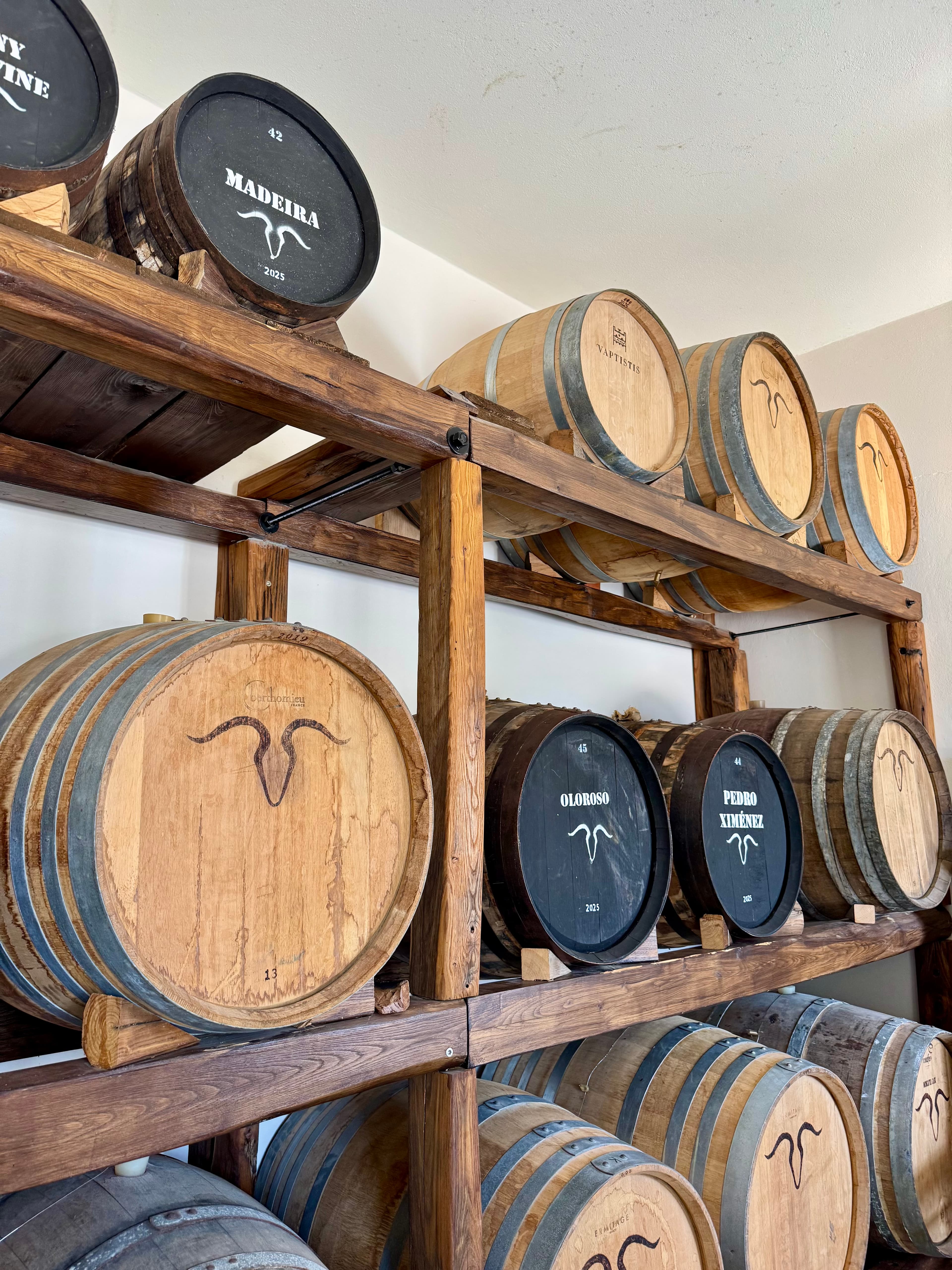
After distillation, the spirit is gradually diluted with desalinated seawater over a period of six months, without adding sugar, and with constant stirring, until it reaches the desired alcohol content of 38%, a choice that suits the warm, southern climate of Syros. This is followed by cooling, filtering, and bottling. On the other hand, aged tsipouro matures in oak barrels that previously held Bordeaux, vin santo, or sherry. While wineries use barrels up to five times for aging their wines, for spirits, each barrel is used only once. Before use, they are charred on the inside, acting as a natural carbon filter. Filtration is only a small part of its effect, because the most important aspects are extraction, oxidation, and the chemical reactions that occur over time. The caramel or honey aromas found in aged spirits are chemical compounds such as hemicellulose, which breaks down into caramelized sugars due to the heat generated during the burning of the barrel.
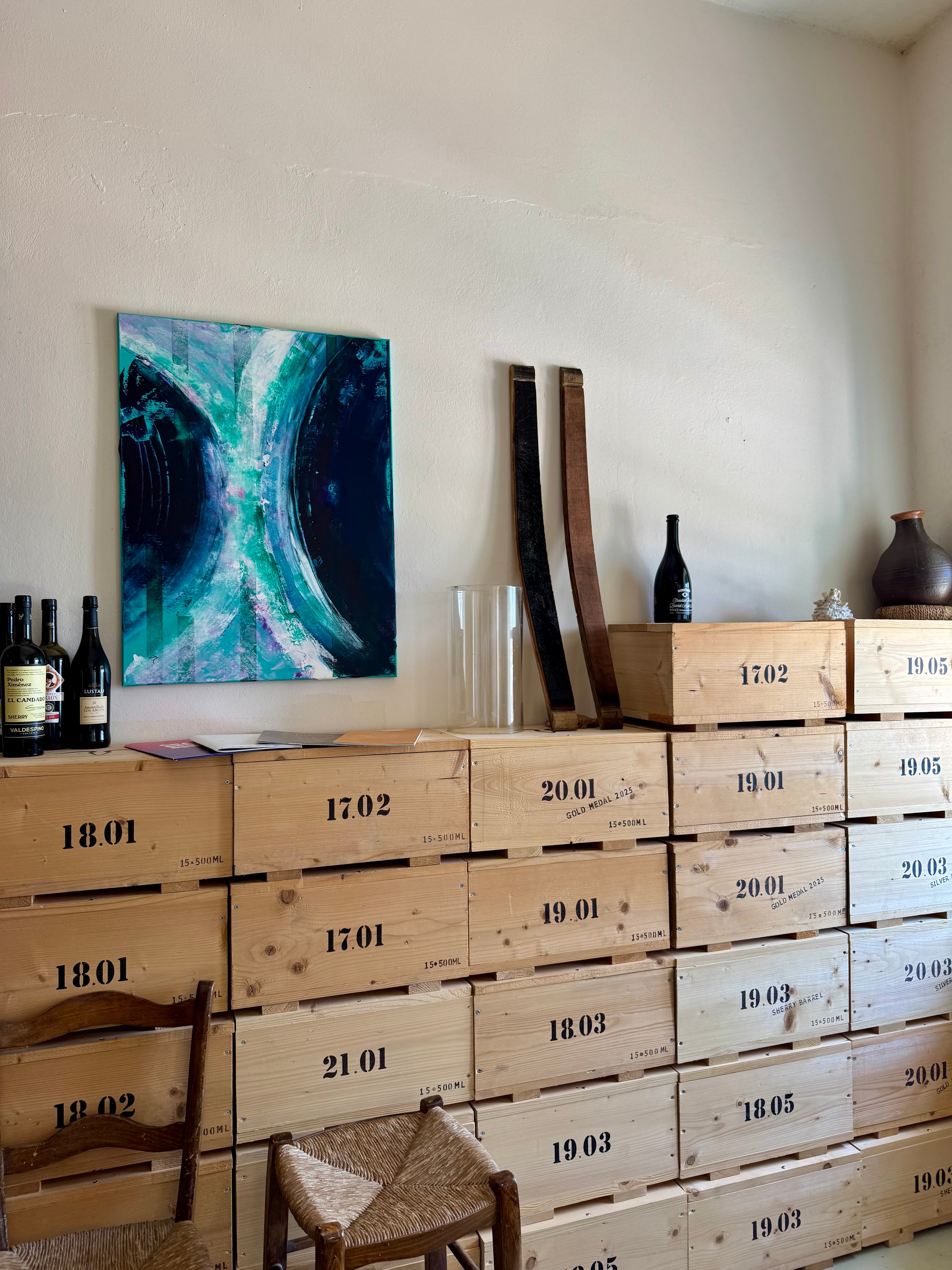
The label on the final product as well as the barrels indicates the year of distillation and the number of years of aging, which ranges from 6 months to 1, 3, or 5 years. The barrels used for aging were located in the tasting room, and there was also a sample of the specific wine labels that had been on them before they were repurposed for aging tsipouro. I first tasted the aged tsipouro a few years ago, maybe four or five, and every time it’s an experience that takes you through its different stages of production, with the barrel playing a leading role in shaping the spirit’s flavor profile. But then came my favorite time of day, lunchtime tsipouro, which this time wasn’t just a glass of a single spirit but 10 different labels from Nikolas, each with its own character.
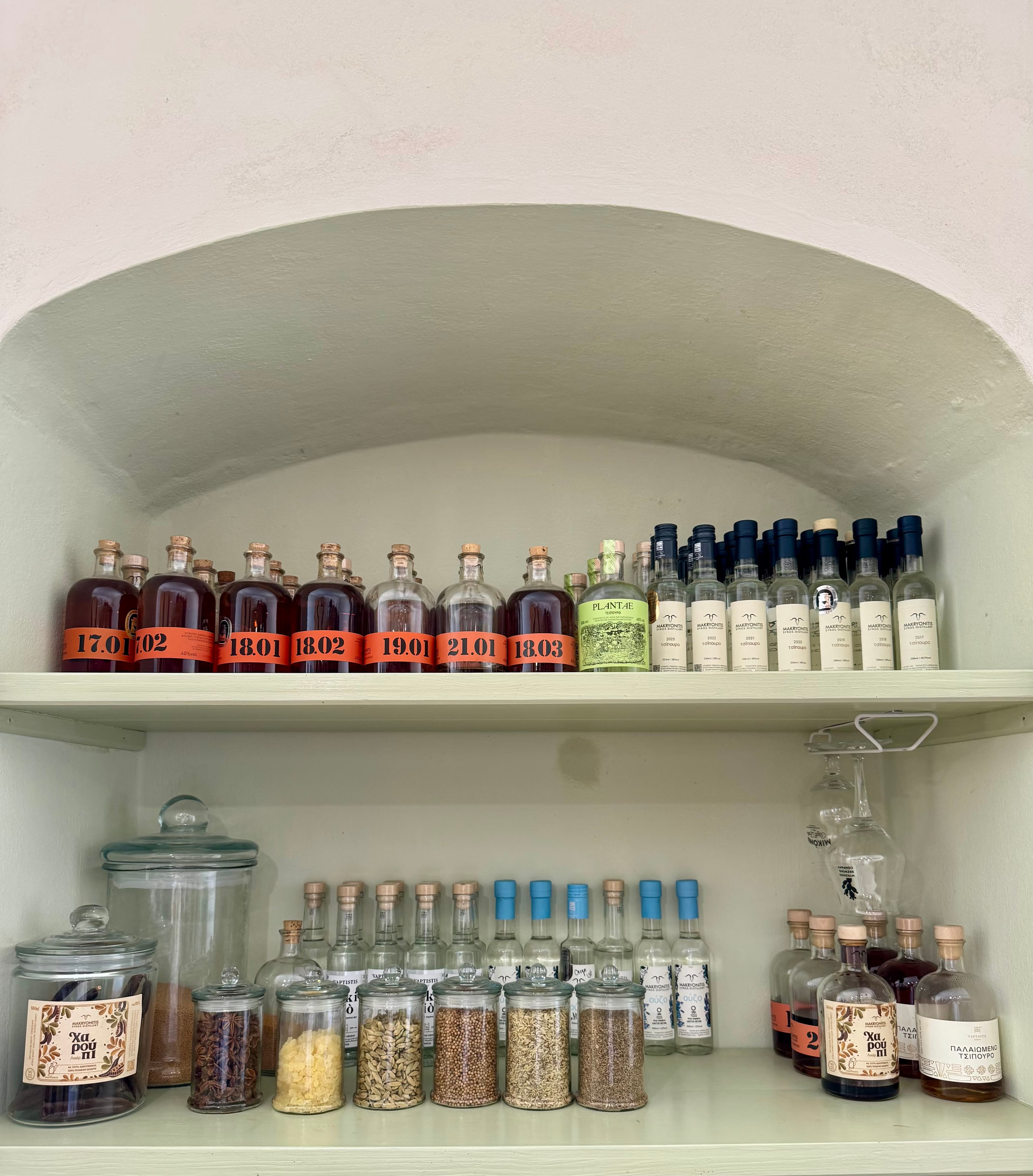
The tasting was a lot of fun because, as I sampled Makryonitis’ fine spirits, Nikolas provided me with information about each one, and I also learned just how different it is from wine tasting. In properly distilled fruit, you can detect all the nuances of the fruit, the characteristics it has when fresh, and even what it would be like if you ate it as marmalade. When tasting fruit spirits, patience plays an important role. As you wait, the spirit reveals different flavors because its temperature changes inside the glass, and the glass itself becomes infused with aromas that constantly shift until they fade away: a process intimately intertwined with our very lives. The first distillate I tasted was the fig distillate, made from three different varieties of Syros figs. It’s very much what you’d expect from a tsipouro with a fig aftertaste that intensifies as the alcohol evaporates from the glass.
Makryonitis Syros Distillery
Greece · Vari, Syros · Μaronia, Gaitania, Lubardika figs · 40.0%
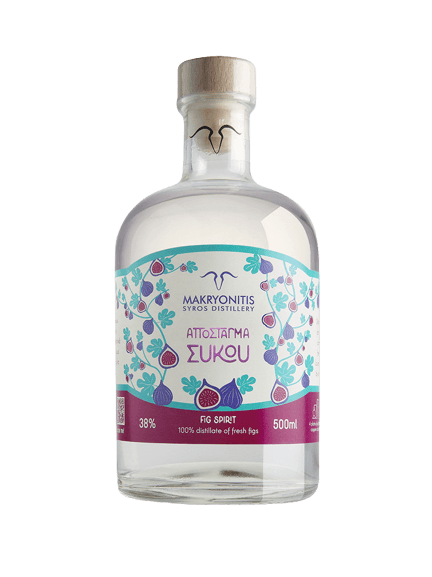
An elegant spirit with an intense fig aroma
The visit had one expected star: Makryonitis’ tsipouro, a spirit made exclusively from grape pomace grown in the Cyclades. The distillery has been in operation since 2017, but as Nikolas told me, they didn’t achieve a result they were satisfied with until 2019. This is what I tasted during my visit, and what you’ll try too. It’s a tsipouro that can flow freely into our glasses, especially in the summer, with a very aromatic flavor from the grape pomace of the main varieties the distillery works with. The core trio consists of Monemvasia, Assyrtiko, and Serifiotiko. This is what gives this particular tsipouro its uniqueness, as it’s a tsipouro that, whether you’re in the Cyclades or not, you can savor in your glass. After a nice sip of sparkling water that Nikolas offered me throughout the tasting, we were ready to explore the world of aged tsipouro.
For me, it has already earned a place in the pantheon of tsipouro.
Makryonitis Syros Distillery
Greece · Vari, Syros · Monemvasia, Assyrtiko, and Serifiotiko · 38.0%
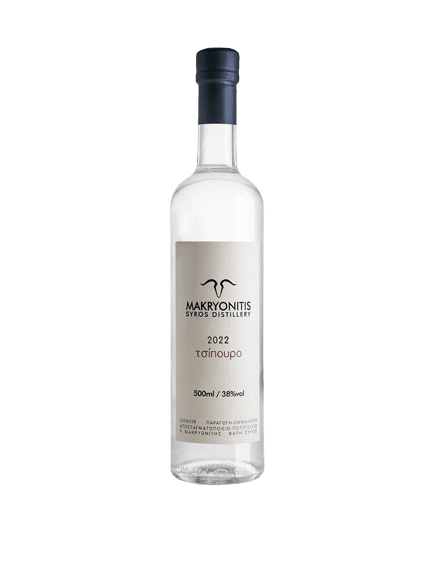
A grape pomace spirit with distinctive aromas that embody the Cycladic land
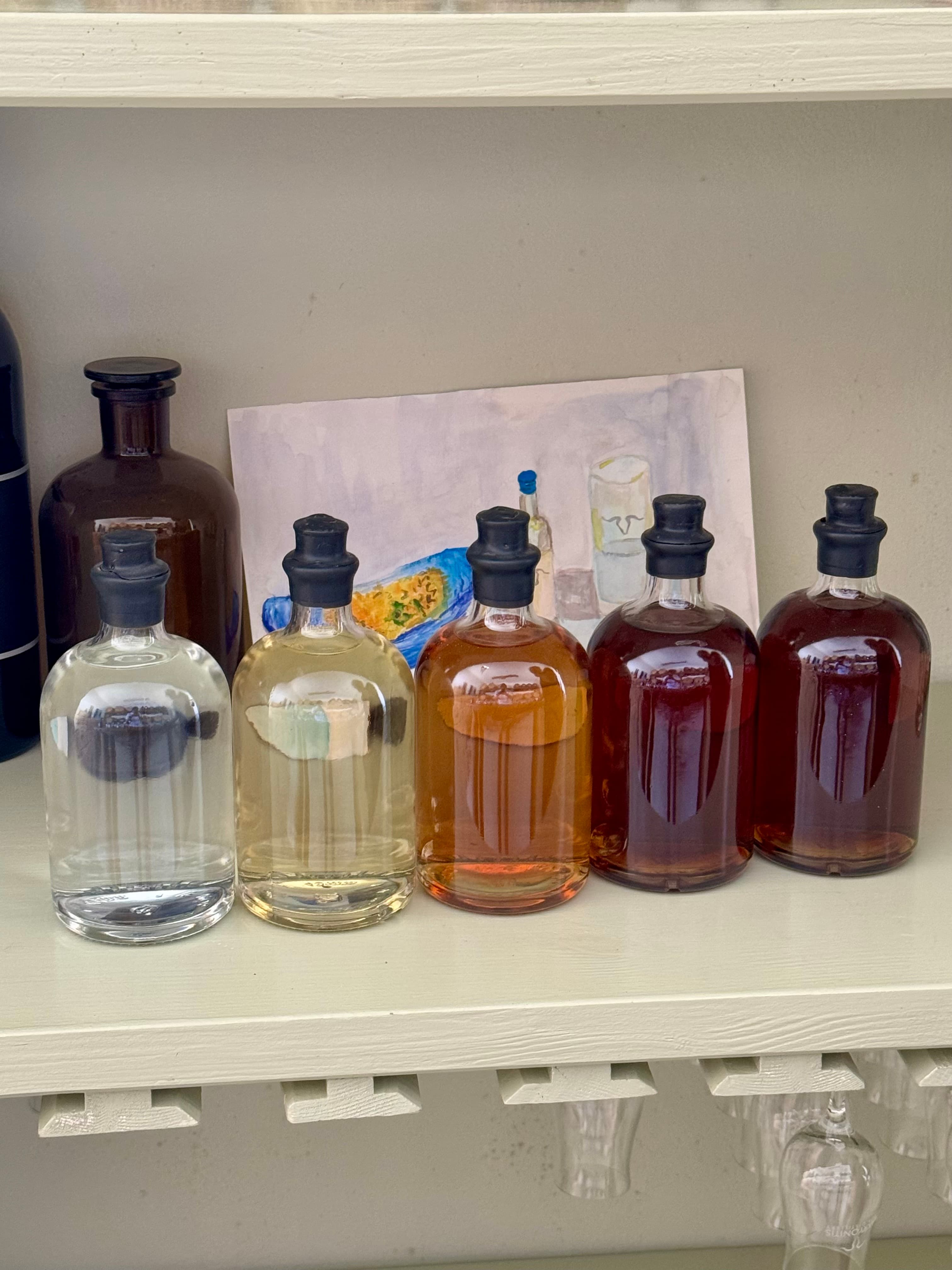
In aged tsipouro, the most noticeable difference depending on the number of years of aging is the color: tsipouro begins its journey through time in the barrel as a clear liquid and gradually darkens. The bottles here show tsipouro that is unaged, aged for six months, and finally aged for 1, 3, and 5 years. The first one I tasted was the one-year-aged tsipouro, which was very flavorful with a light barrel aftertaste. It reminded me of rum.
Makryonitis Syros Distillery
Greece · Vari, Syros · Monemvasia, Assyrtiko, and Serifiotiko · 2023 · 40.0%
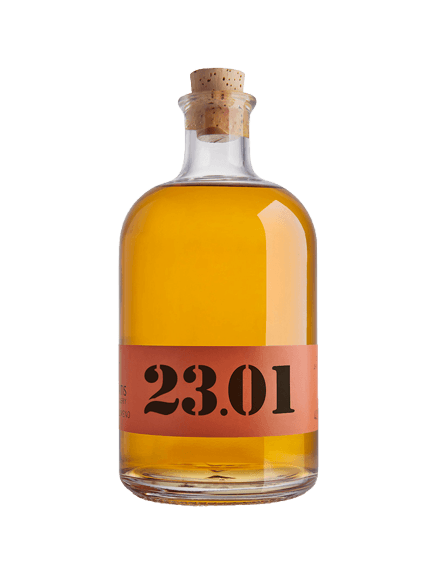
A lighter touch of oak after one year of aging
The three-year-aged tsipouro continued to resemble rum, this time with a more pronounced hint of the oak barrel in which it had aged for those three years. Here we begin to feel the alcohol a bit more intensely, since this is a more mature product. As Nikolas told me, the character of every aged spirit is also influenced by the island’s sharp daily temperature swings, from the midday heat to the evening cool.
Makryonitis Syros Distillery
Greece · Vari, Syros · Monemvasia, Assyrtiko, and Serifiotiko · 2019 · 40.0%
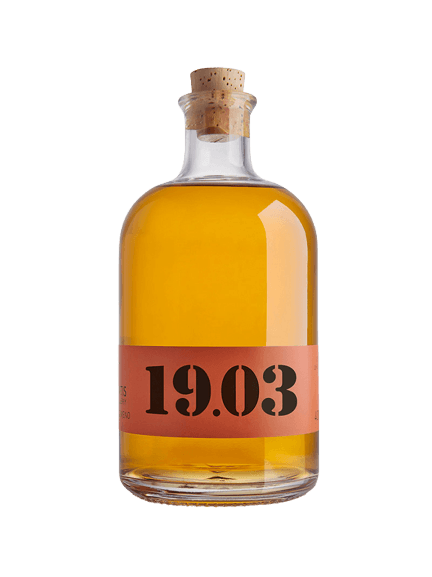
Rounder and more mellow after three years in barrel
With this five-year-aged tsipouro, we’ve now come closer to whiskey and a more spicy flavor. This is a tsipouro that has developed a very strong flavor, which made me think it would pair ideally with a steak or grilled mushrooms. The barrels in which the tsipouros are aged are small for a specific reason: they “breathe” in a unique way. The cooper specially crafts them to hold spirits, making them smaller so that aging is accelerated due to contact with the wood.
Makryonitis Syros Distillery
Greece · Vari, Syros · Monemvasia, Assyrtiko, and Serifiotiko · 2018 · 40.0%
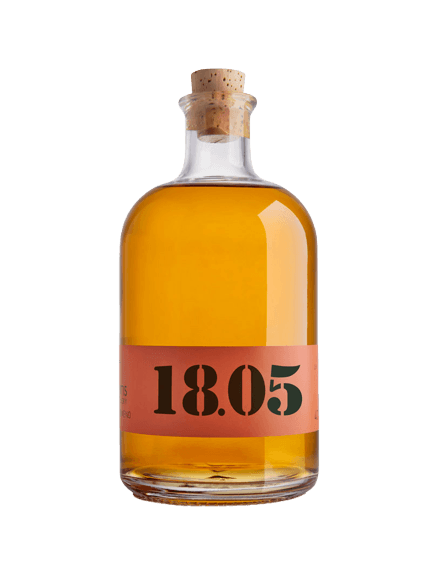
The deepest, most oak-driven expression in the range, aged five years
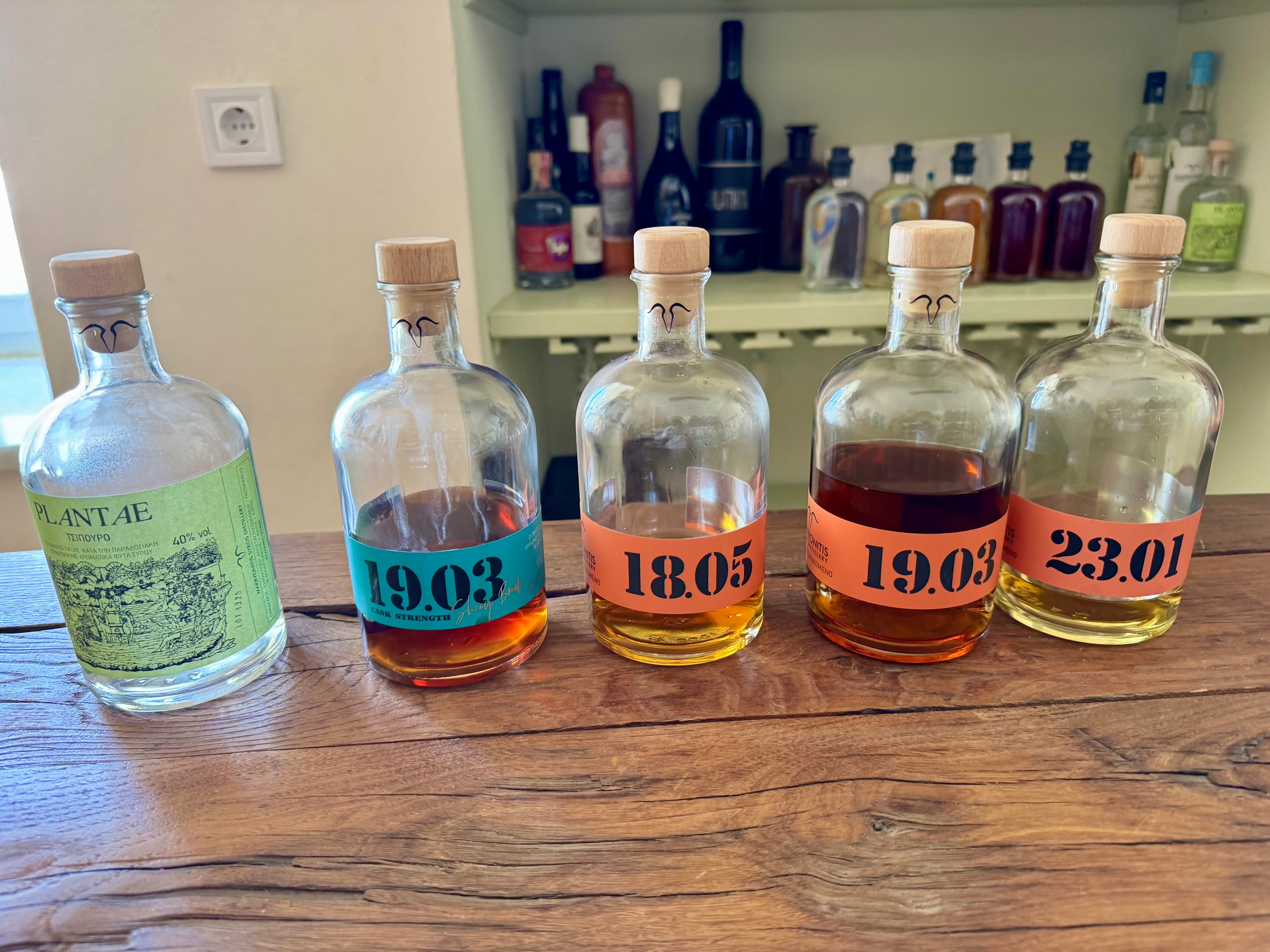
After the initial surprise of the visit, the fig spirit, Nikolas had me try a three-year-old tsipouro that isn’t even listed on his website. This is a tsipouro aged in sherry barrels, fortified Spanish wines, each with its own distinct character. The four labels of these wines available on location were Romate, Faraon, El Candado, and Amontillado Los Arcos. Sherry barrels are also used to age Scotch whiskey, which made this tsipouro the closest thing to whiskey I’ve tasted among all the aged tsipouro.
The latest tsipouro in Makryonitis’ series was Plantae, a double-distilled tsipouro with a pronounced botanical character that I’d say resembles some of the most aromatic gins, due to the botanicals used. The redistillation process uses the traditional technique with aromatic plants sourced exclusively from Syros, while Plantae represents the distillery’s alternative take on tsipouro, something a little different. And so we gradually move on to two familiar flavors, ouzo and mastic, as well as a third that was completely unexpected: carob.
Makryonitis Syros Distillery
Greece · Vari, Syros · Aromatic Syros herbs · 40.0%
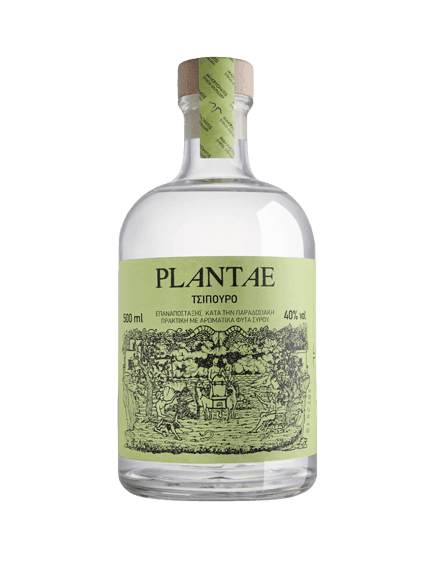
Double distilled tsipouro with botanical character with dominant mastic and citrus aromas
Ouzo is by far the most famous drink exported by Greece, while tsipouro is consumed more domestically. Here, we added ice for the first time, so that the ouzo would acquire its characteristic white color and its aromas would begin to emerge. In this ouzo, the aromatic herbs are added to the cauldron along with water to infuse the alcohol with their flavors. In Makryonitis ouzo, you can taste the traditional notes of anise, mastic, cardamom, coriander, fennel, and star anise. In my opinion, it’s one of the best ouzo options I’ve ever tasted.
Makryonitis Syros Distillery
Greece · Vari, Syros · Anise, Chios mastic, fennel, and citrus · 42.0%
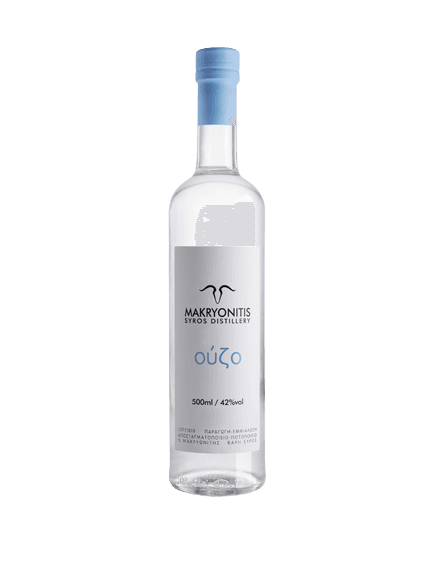
Rich and spiced, with anise, Chios mastic, fennel, and citrus notes
Jokingly, I told Nikolas that he’d force me to drink ouzo, since it’s not something I particularly like, but I was very pleasantly surprised.
Mastiha liqueur, the next drink in the series, is made with mastic from Chios. Mastic is a natural resin that oozes from the trunk and branches of mastic trees after they are incised; these trees thrive and are cultivated exclusively in southern Chios. This particular liqueur is characterized by a distinctive sweetness; it goes down easily, and I’d like to enjoy it more often after heavy meals as a digestif.
Makryonitis Syros Distillery
Greece · Vari, Syros · Chios mastic · 20.0%
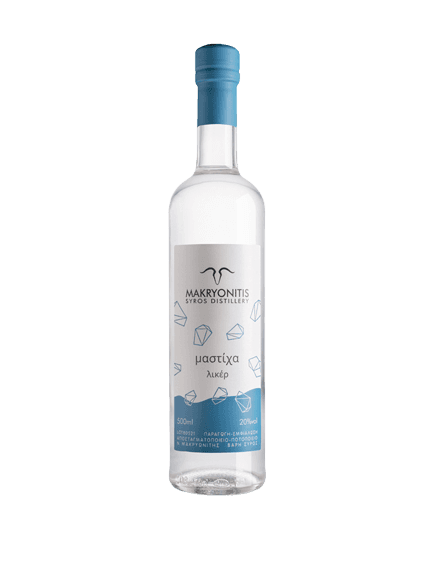
Balanced sweetness with complexity and depth
In recent years, carob has been appearing in more and more products in Greece, the most common of which is probably carob rusks, which are used in salads. At Makryonitis, they decided to use ungrafted carob trees to create a unique liqueur that recently won a silver medal at the 2026 Craft Spirits Berlin Awards.
Makryonitis Syros Distillery
Greece · Vari, Syros · Carob and carob molasses · 20.0%
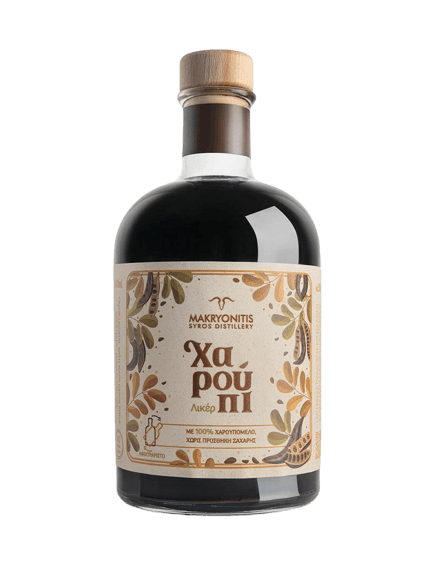
Complex, with notes of chocolate, mocha, and caramel
It’s one of the most intense digestible liqueurs I’ve ever tasted, with a very strong carob syrup flavor. I can’t wait to try it again in a cocktail.
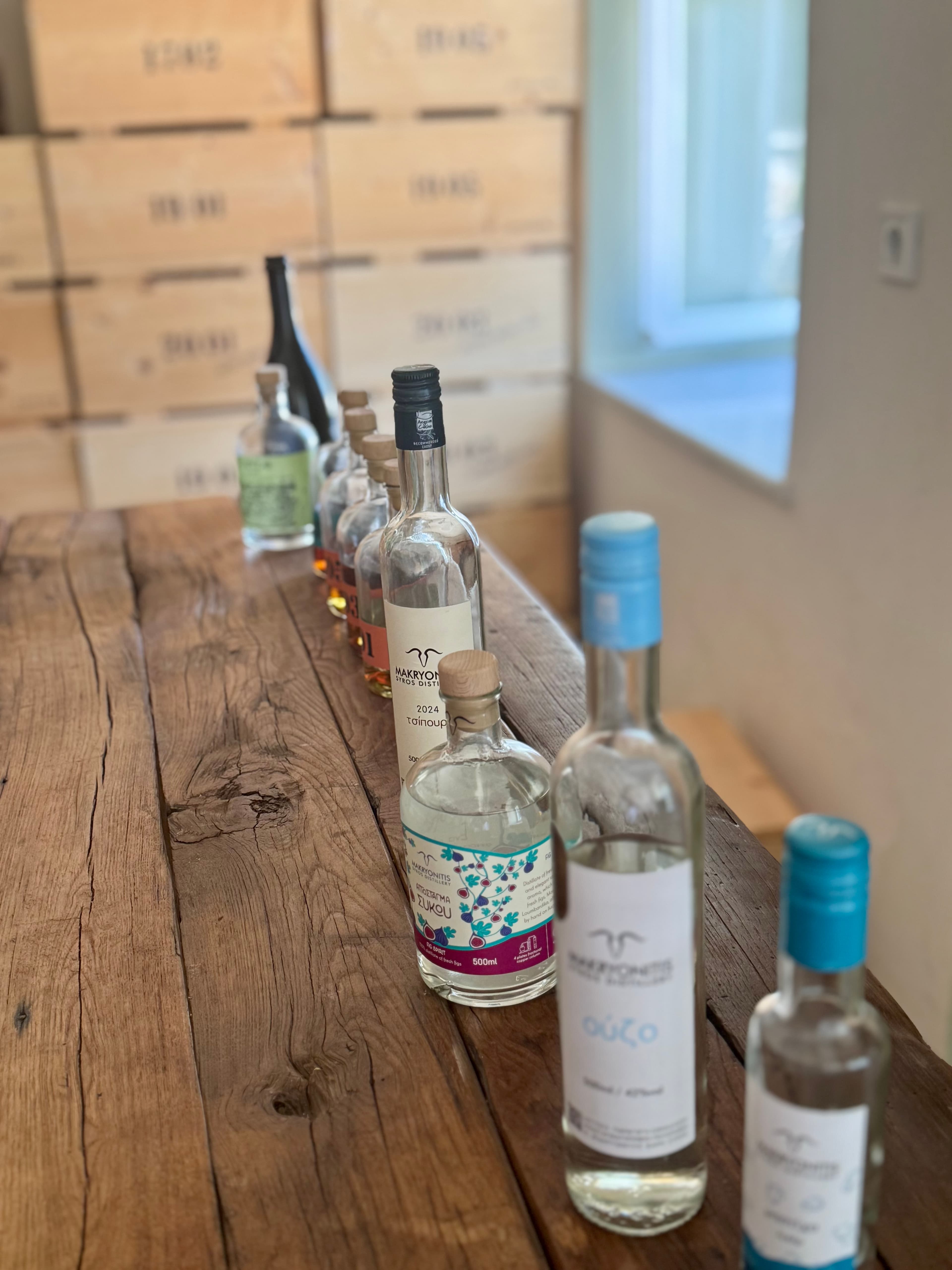
As the tasting was coming to an end, I wanted to ask Nikolas a few questions about the lessons they’ve learned from the Cyclades and Syros themselves as a distilling region. He told me that the path to figs and carob trees opened up because grapevines don’t thrive so easily on the island. The biggest lesson was that you don’t plant grapes where they didn’t grow before, and that it’s better to make use of a raw material that’s already abundant. Figs aren’t the most common choice for distillation, but on Syros, distilling figs helps make use of something that would otherwise be thrown away. And what, ultimately, constitutes a good tsipouro for someone who has made distilling his profession?
“Good” tsipouro should be drunk effortlessly, with the desired effect, it should give you energy and whet your appetite. And on this point, we completely agree with Nikolas.
Nikolas also told me what it’s like to work with grapes from five different islands, describing a typical day. If the destination is Serifos, Nikolas sets off in his own car on the ferry at 7 a.m. to collect the grape pomace after it has been used for wine production. He returns at 11 p.m., at which point the grape pomace is sorted at the distillery. It’s a creative job that requires a great deal of patience as well as a genuine love for it. Nikolas communicates with all the wineries he works with in the Cyclades; he sends his distillery containers there, and on the day of pressing, the containers are filled. By sourcing the grape pomace directly from the winery, transportation costs are also reduced. One thing is certain: this is a process that shows great respect for the vineyards, as nothing is discarded until it has been fully utilized.
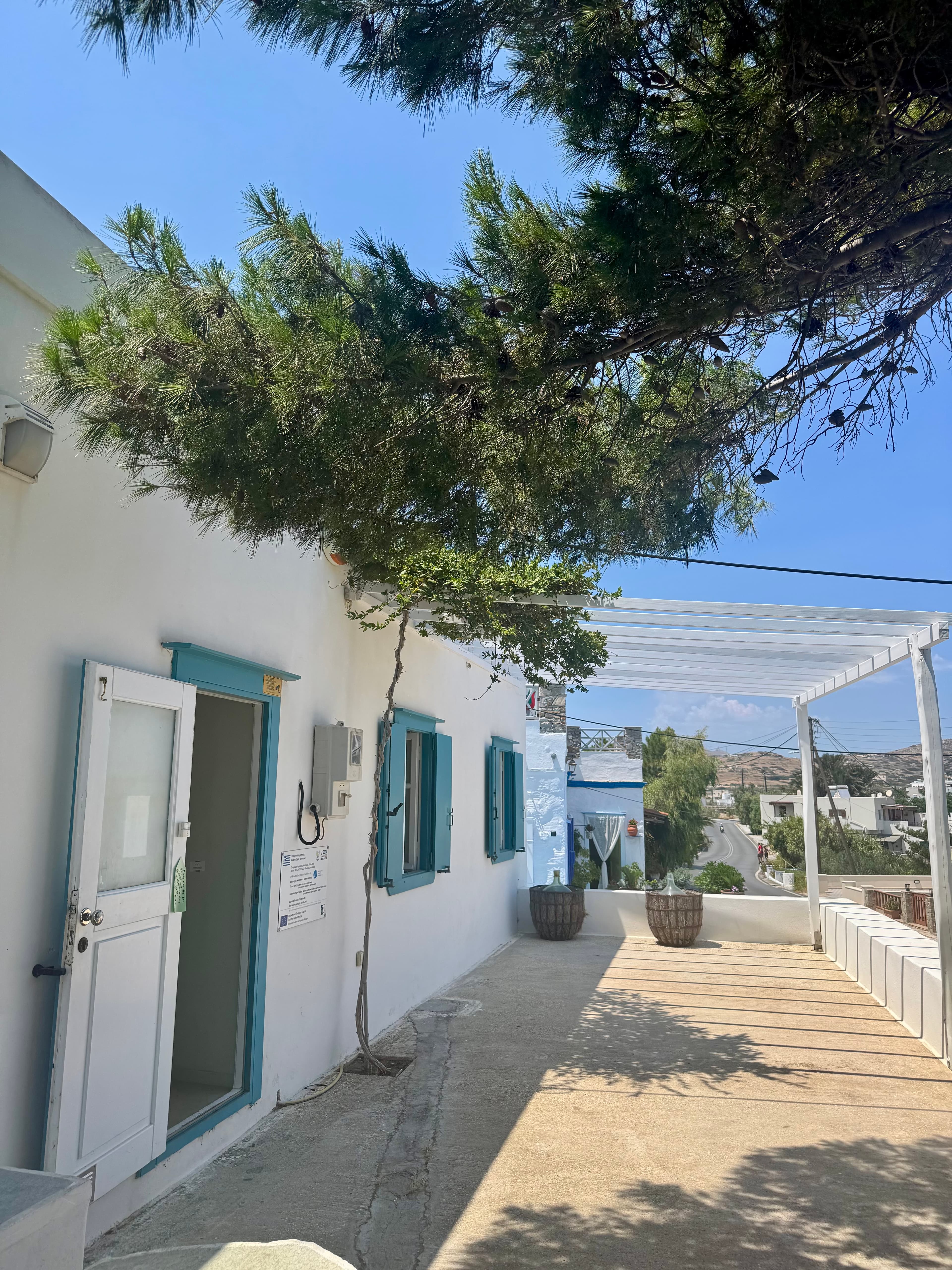
This is a time for the distillery to reflect on its past achievements and what it can accomplish in the future. Their goal: to continue production so that those who truly want to learn about the spirit can get to know it. A warehouse is currently being set up next to the distillery to store their supplies.
So when you visit Syros, be sure to take a trip to Vari for a swim and lunch, and around noon, head a little further down the road to Makryonitis’ distillery to taste some of the finest spirits made from products of the Greek soil. This experience might just make you love spirits a little more.
Personally, I know I left feeling a bit more cheerful, and no, it wasn’t because of the 10 spirits I tasted.
Syros, Greece
Vari 841 00, Greece
The first distillery on Syros, specializing in the distillation of grape pomace and fresh figs, the aging of tsipouro in oak barrels, and the production of ouzo and mastic.