Story5′
Inspired Recipes at Anastoro
From the Ragian farm directly to the table

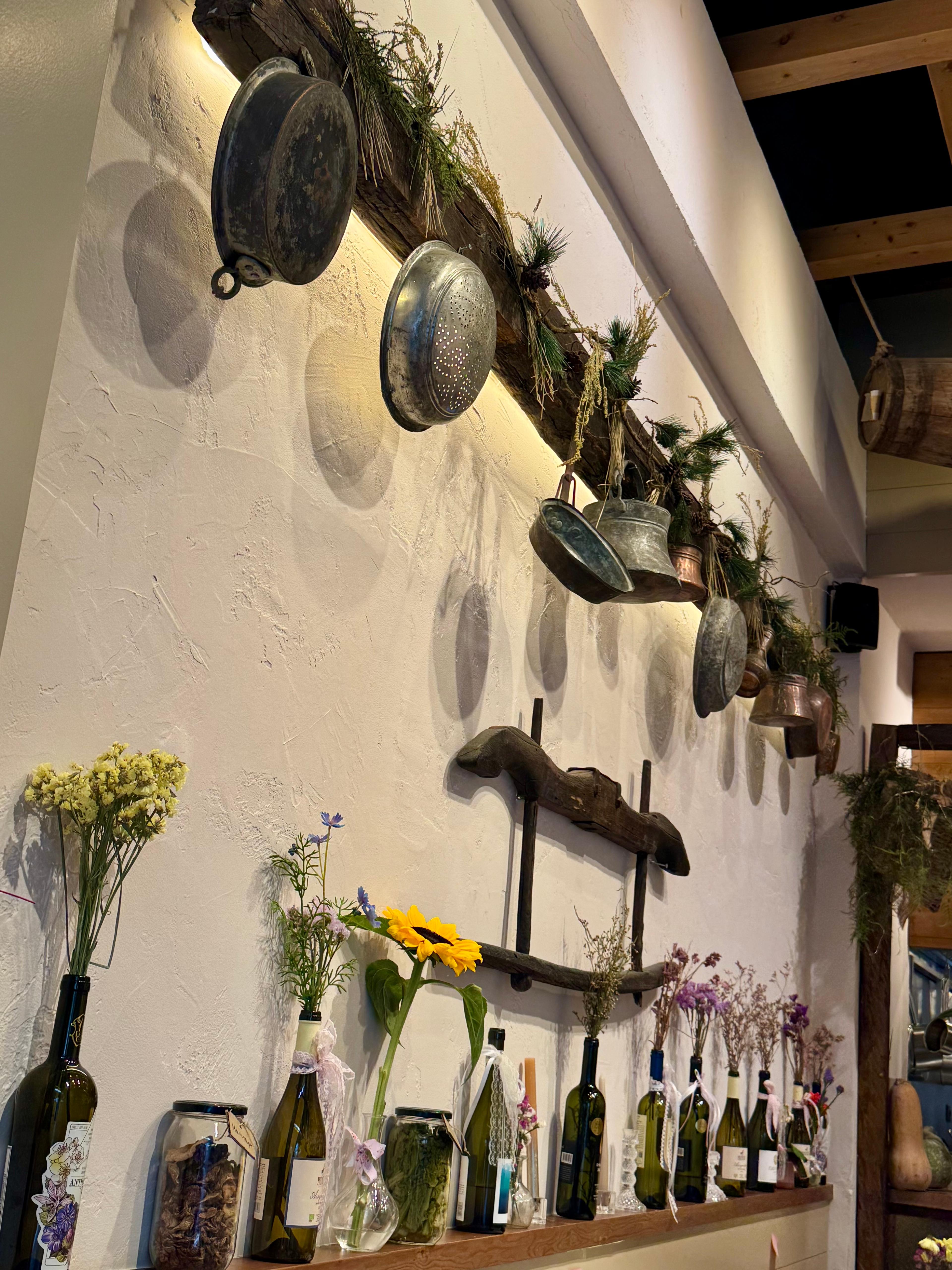
The bar and open kitchen at Anastoro, under beams hung with drapes and dried flowers.
13 November 2026

From the Ragian farm directly to the table
The bar and open kitchen at Anastoro, under beams hung with drapes and dried flowers.
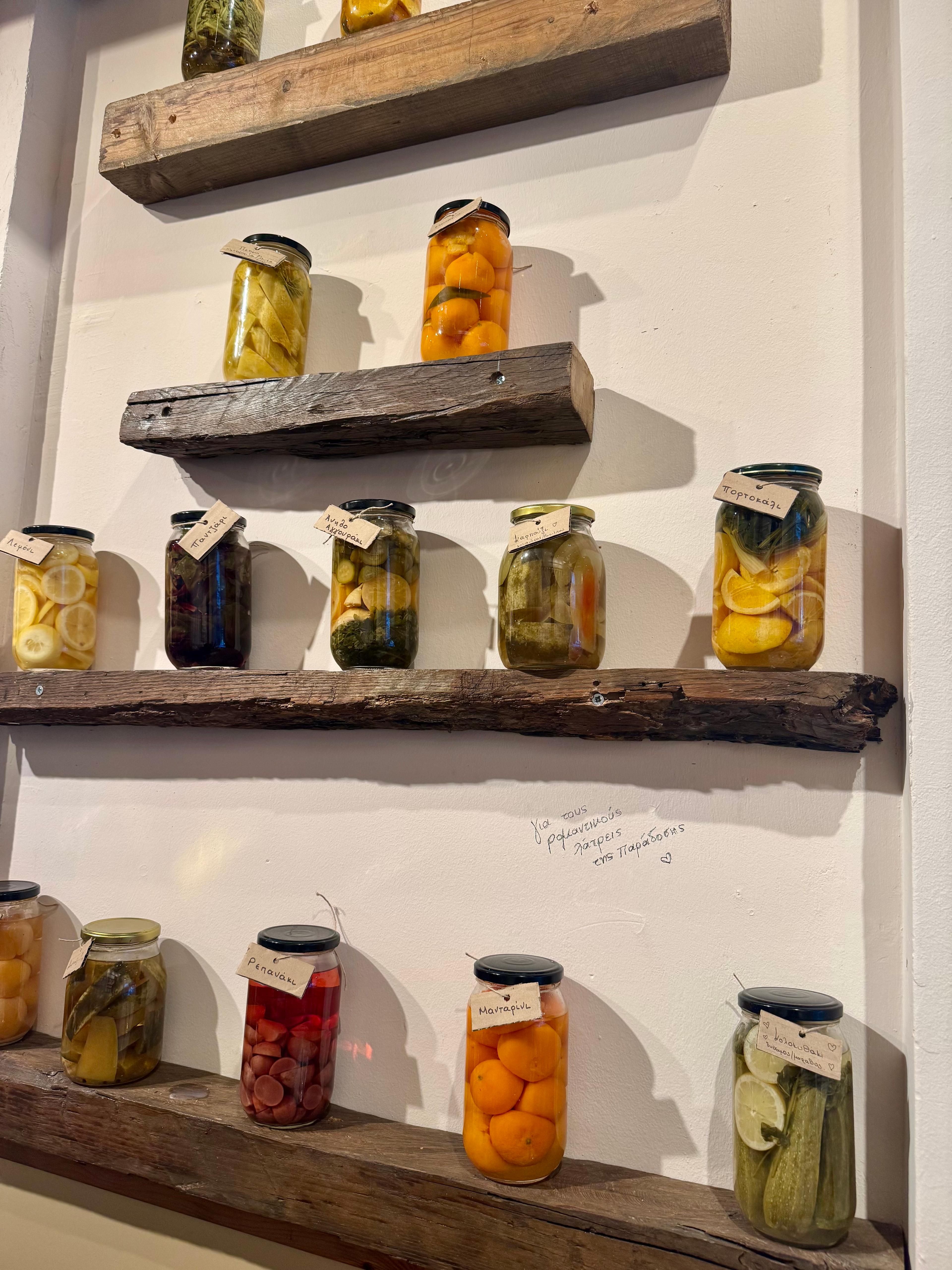
October is now the month when I’m sure to spend a few weeks in Thessaloniki every year, and every year I discover a new place to eat. This time, I wanted to revisit a relatively new restaurant that opened its doors a few months ago. My first visit to Anastoro was in June, and it left me with the best impressions—not only because of the food I ate but also because of the hospitality. Afroditi Georgiadou has managed to create a concept that uses everything produced on her family’s farm to craft dishes you’ll remember long after you leave.
As Afroditi told me, her parents started the Ragian farm so that the traditions and products they grew up with wouldn’t be lost. After about 40 years, everything is still made by hand because production is small-scale: cheeses, natural smoking, curing, and natural fermentation. The goal at Anastoro is to highlight the raw ingredients. They don’t cook exclusively Pontic recipes, but they do include some Pontic dishes and make the most of whatever the local area has to offer.
Back in the day, when they had fresh cheese, they had to find a way to preserve it. Due to their poverty, not out of creativity.
Thessaloniki, Greece
Balanou 13, Pl. Athonos, Thessaloniki
The shop of the family-run Ragian farm, founded in 1989. The farm itself is in Vathi, Kilkis.
Speaking of cheeses, Afroditi told me that on the farm they make about 88 varieties that change every year, depending on the aging process, the herbs, and the animals’ feed. Over the years, they’ve experimented with different herbs and greens in the smoking process, all based on the same foundation. Most of the cheeses are curdled with kefir or yogurt culture, which is a living organism. The number of cheeses is impressive, especially when you consider that many people never have the chance to try so many different kinds of cheese in their lifetime.
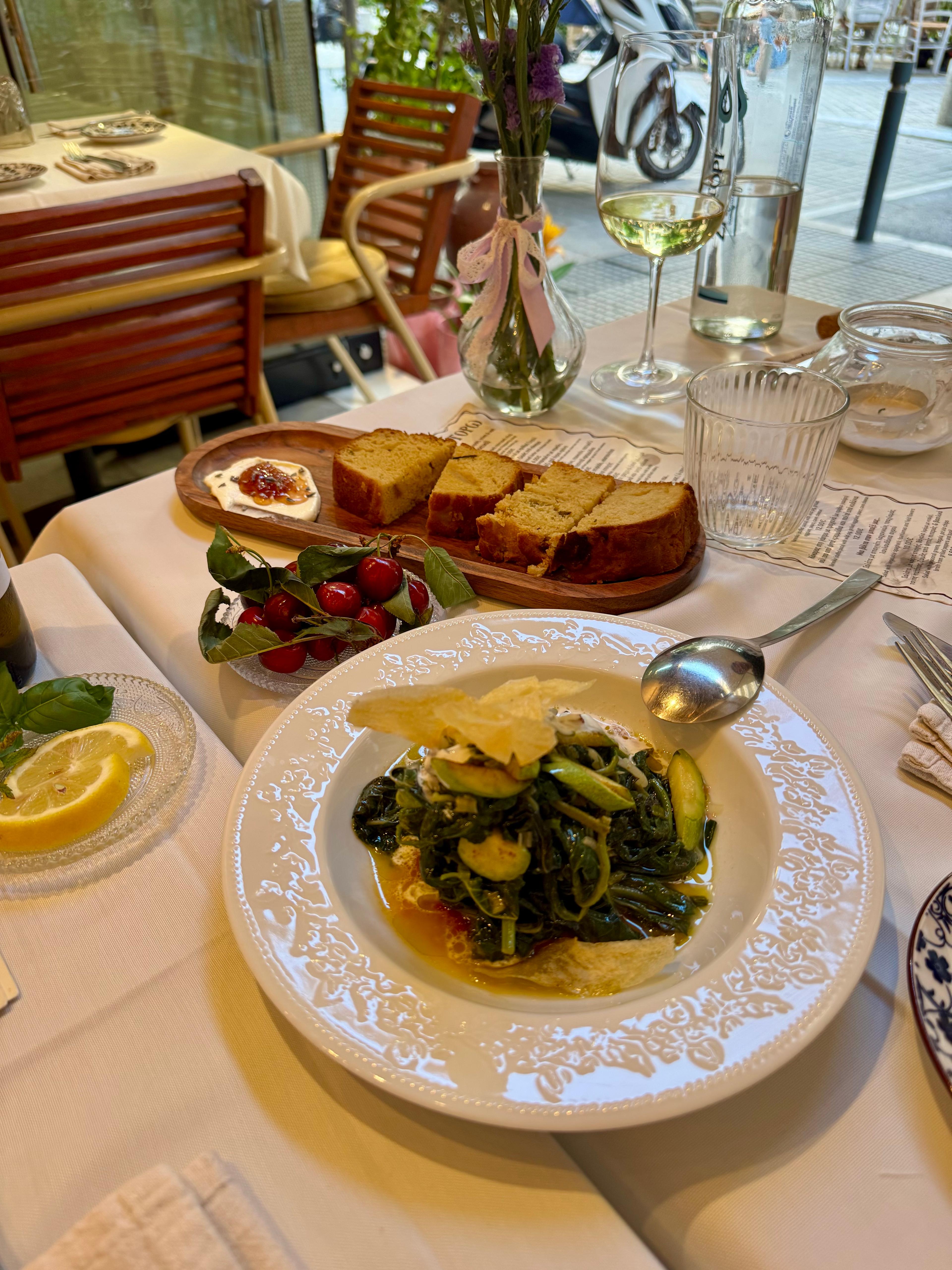
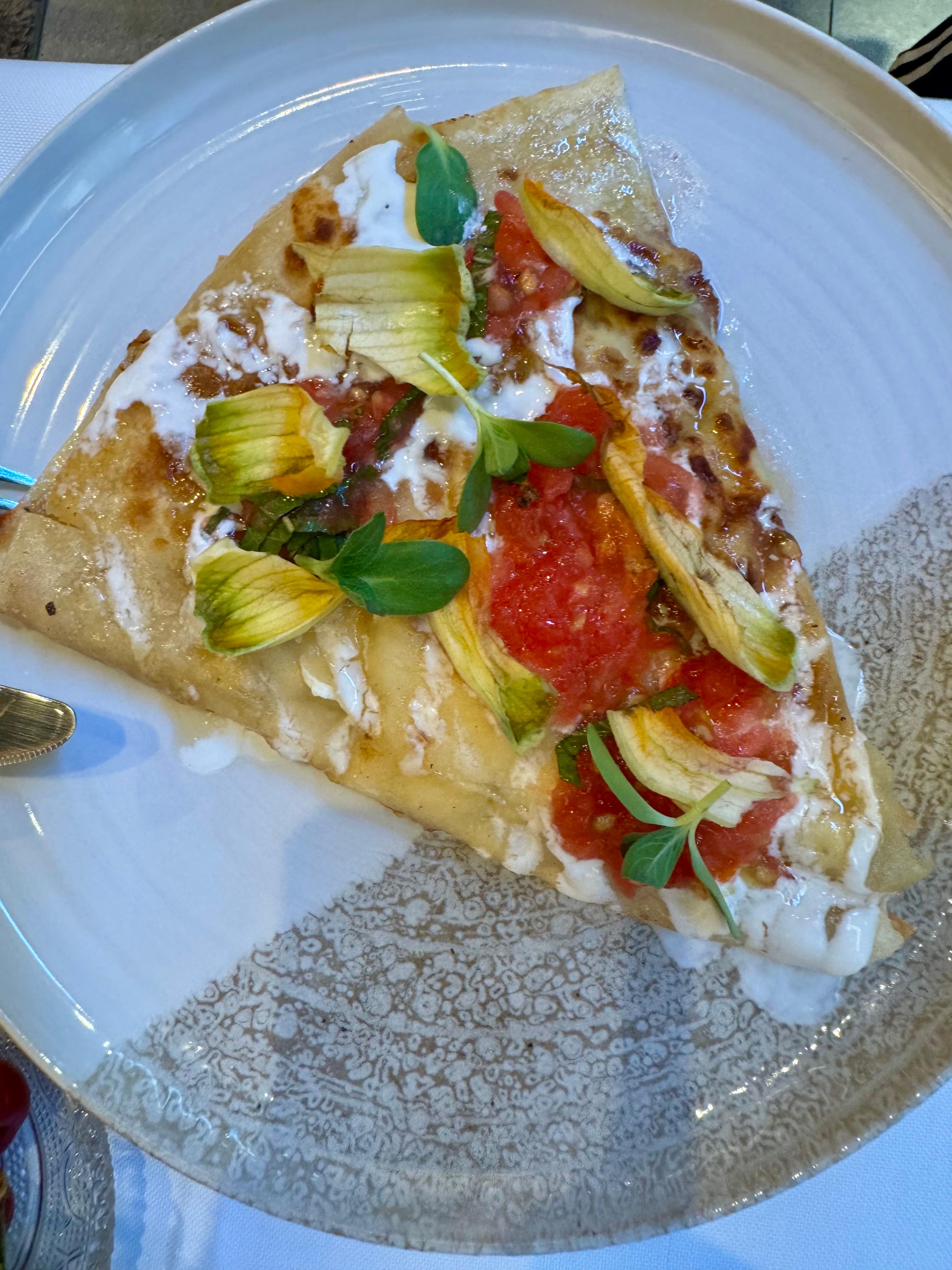
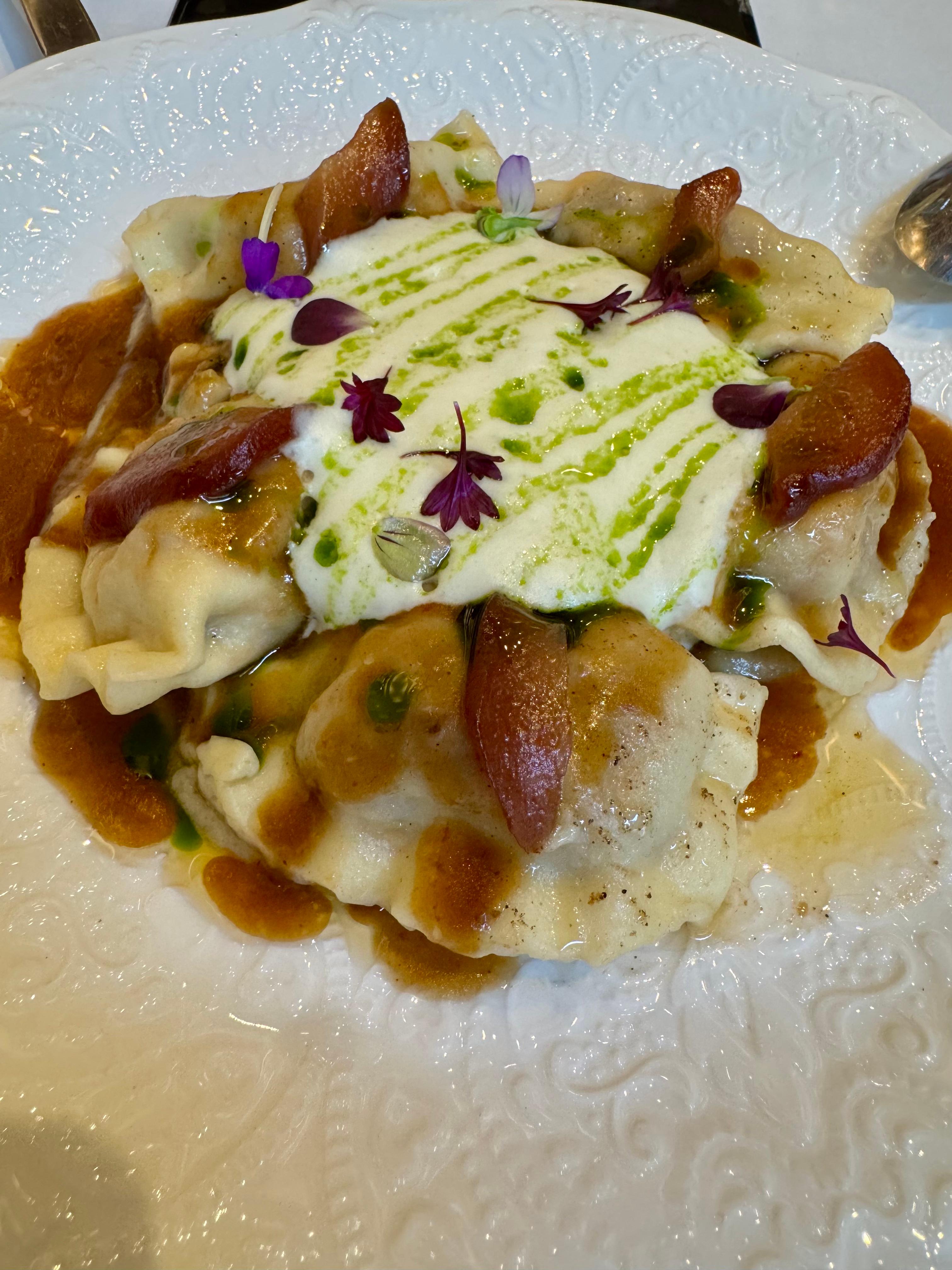
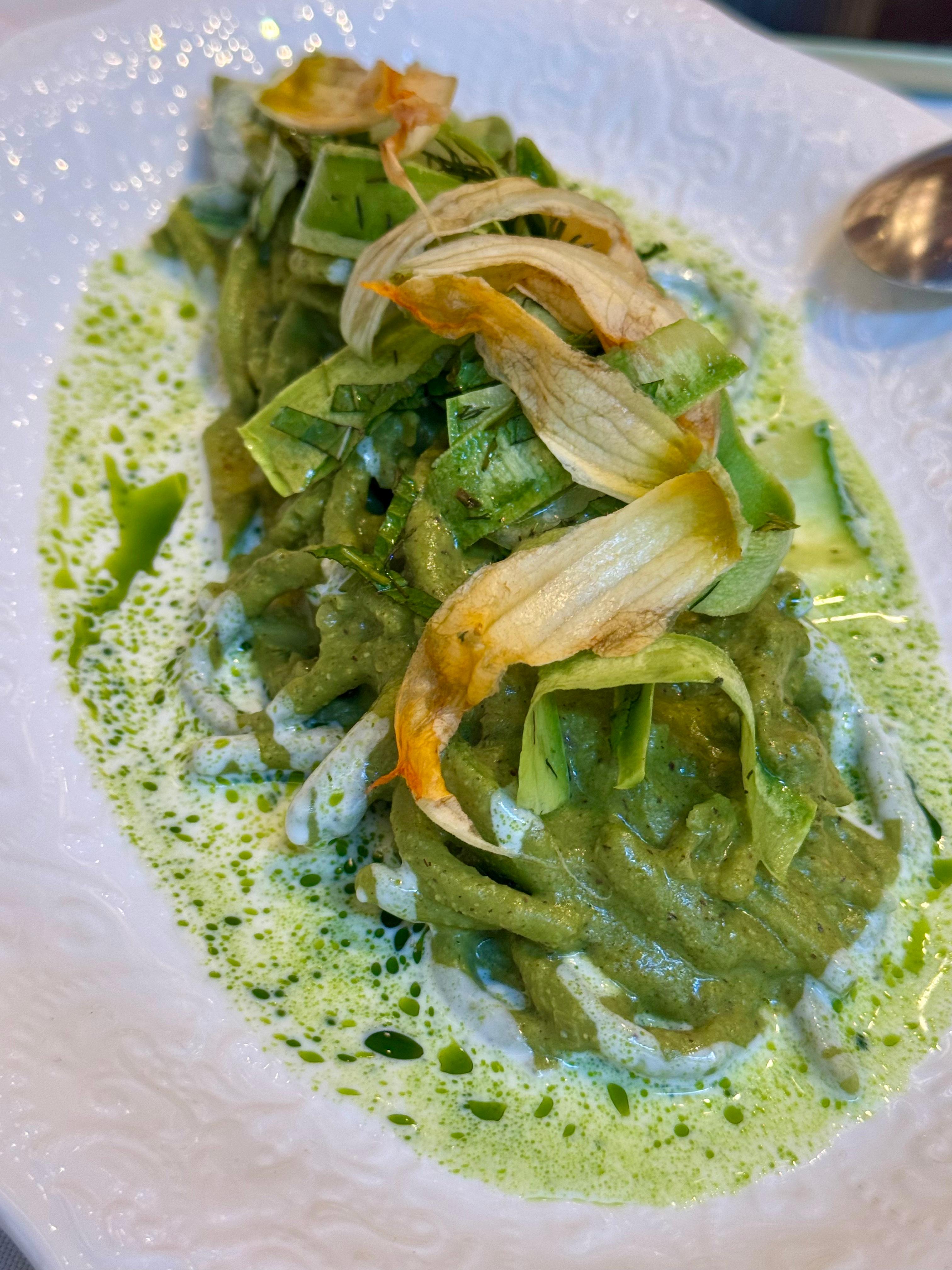
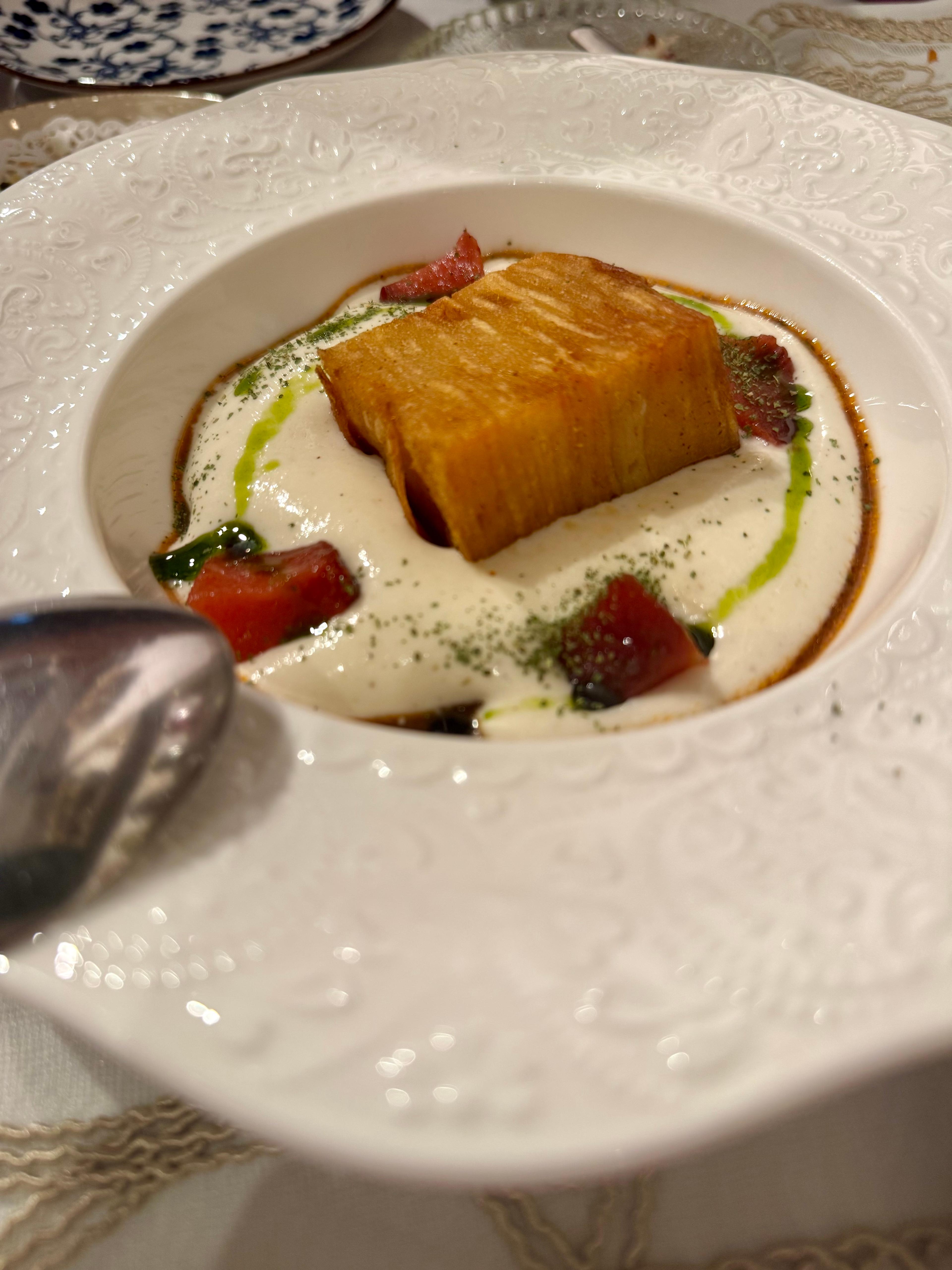
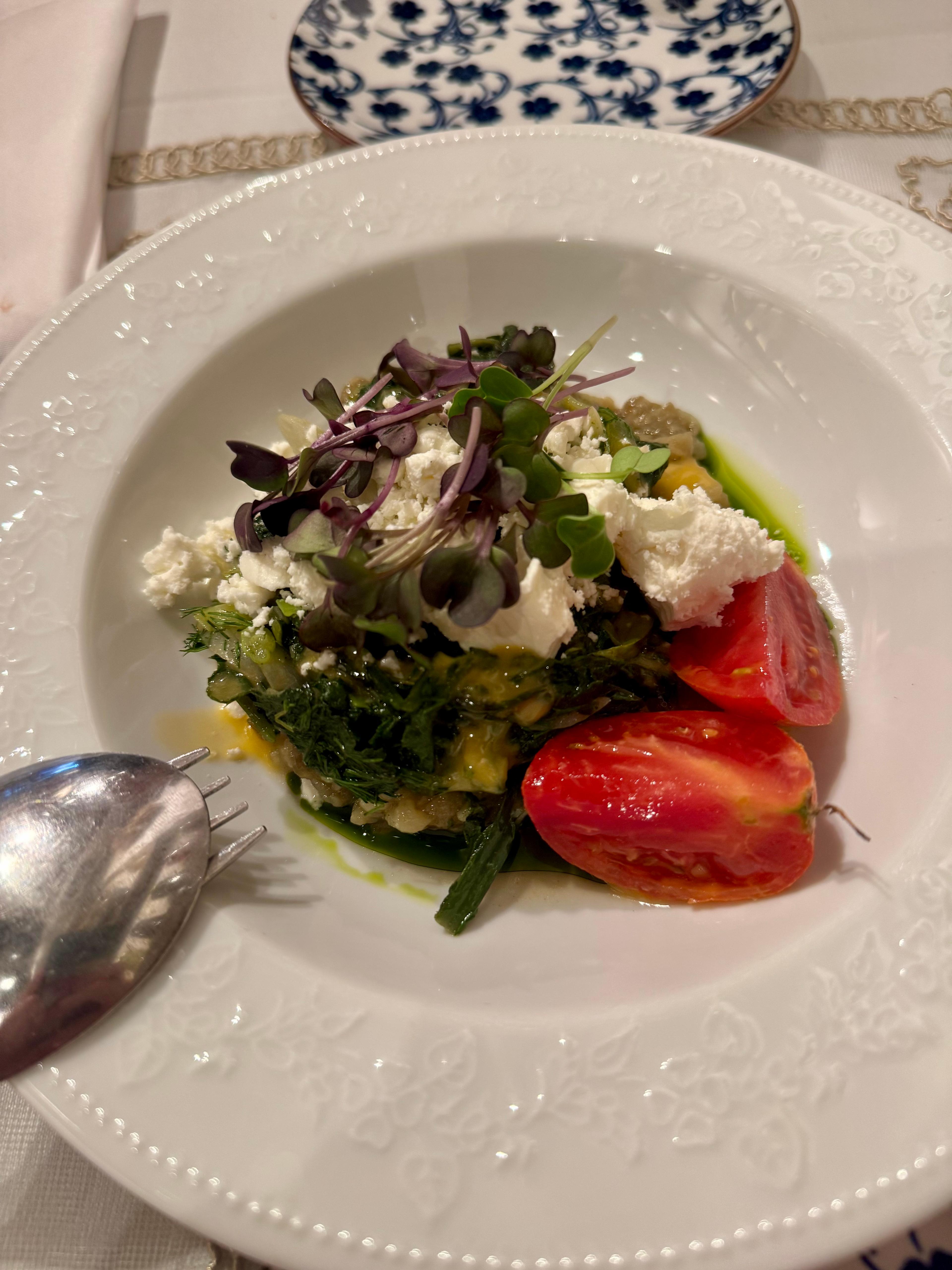
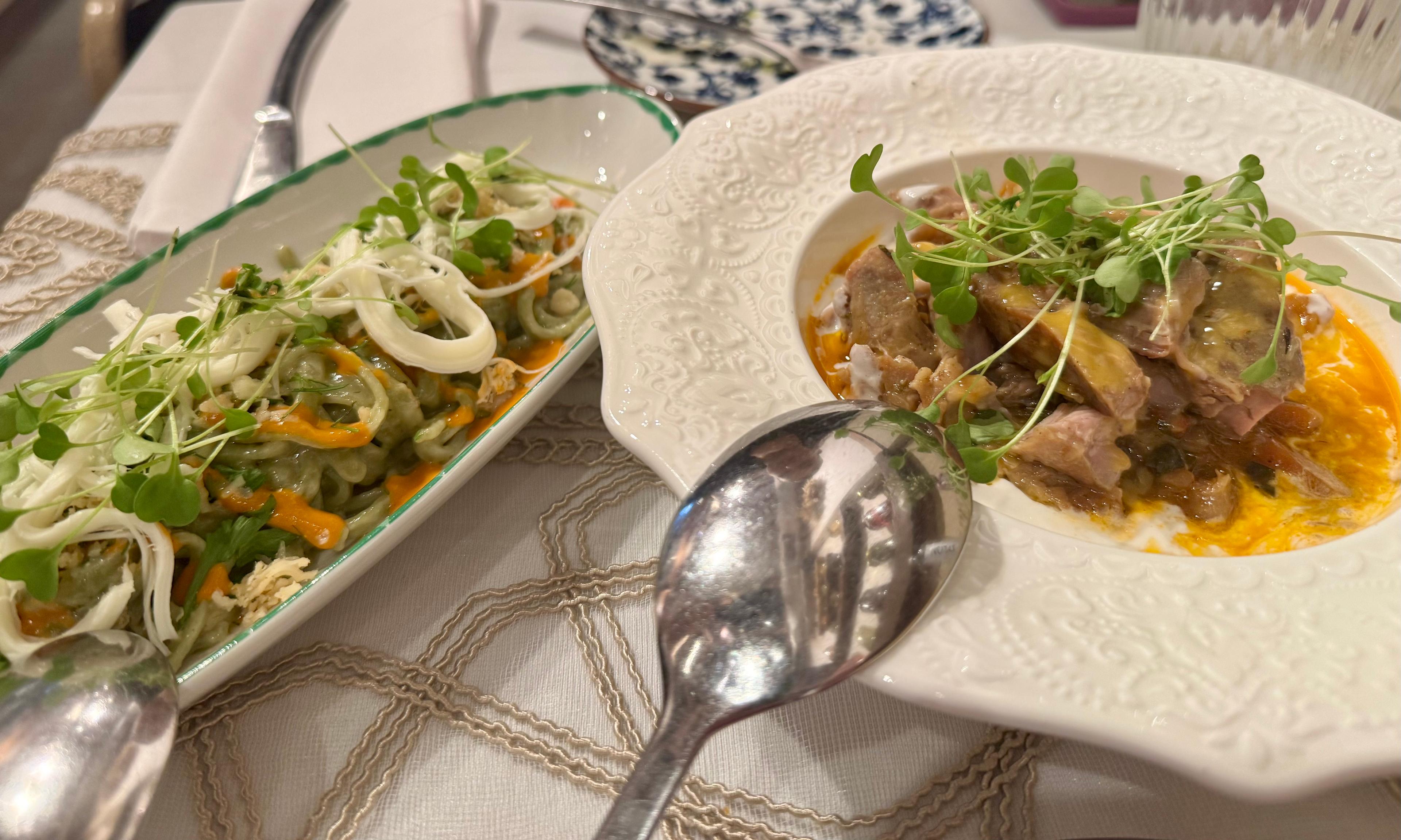
From the very first moments of your visit to Anastoro, Afroditi—or whoever is there to greet you—will explain how the restaurant operates, using the farm’s produce as the inspiration for the menu. The menu they hand out changes almost constantly, depending on what’s available, and there are daily specials that aren’t listed anywhere. The process is simple; there’s no recipe book, just inspiration. The ingredients her father brings to the restaurant will ultimately take shape as new dishes.
What can I make with these ten ingredients?
 1
 2
 3
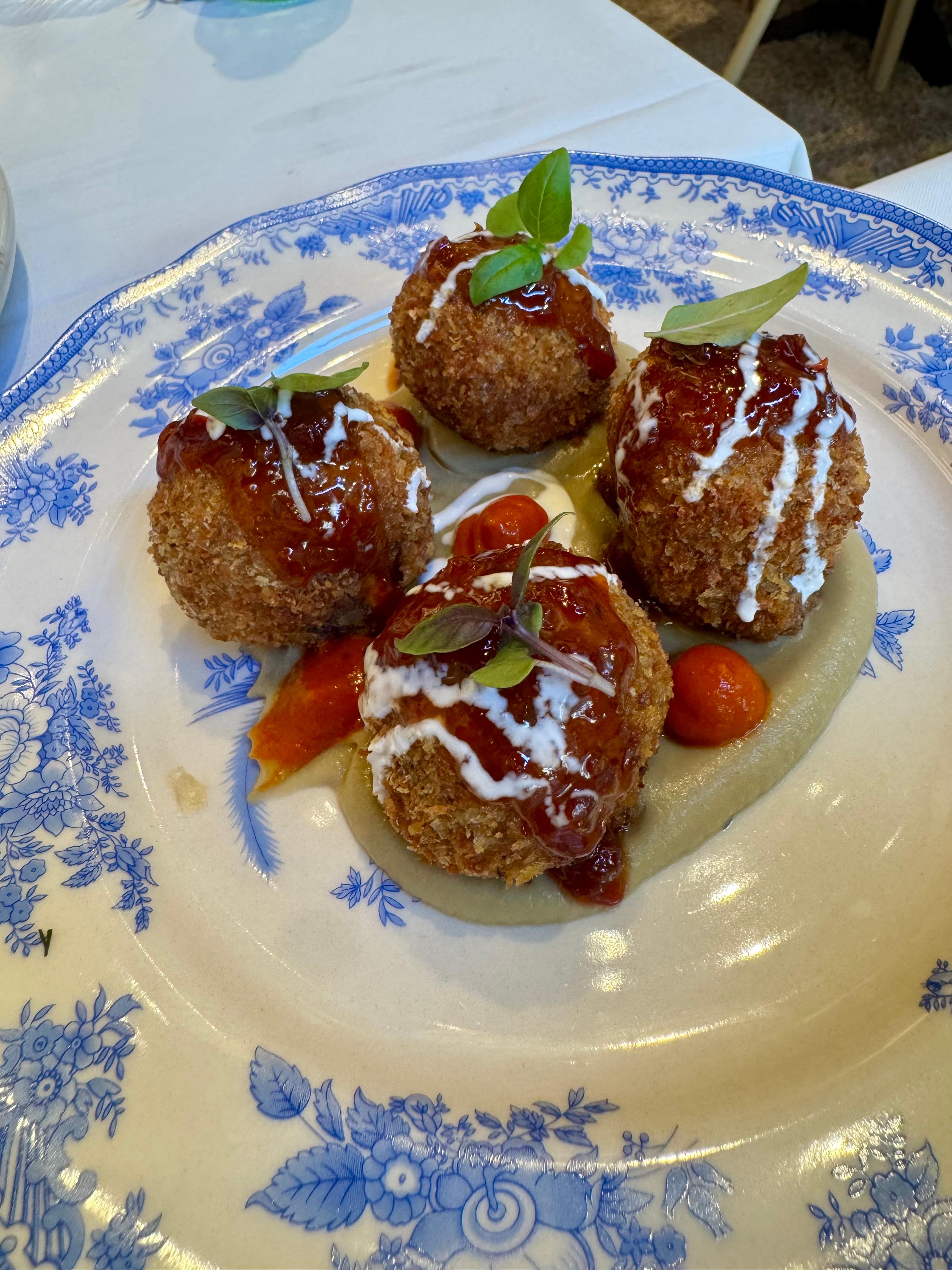
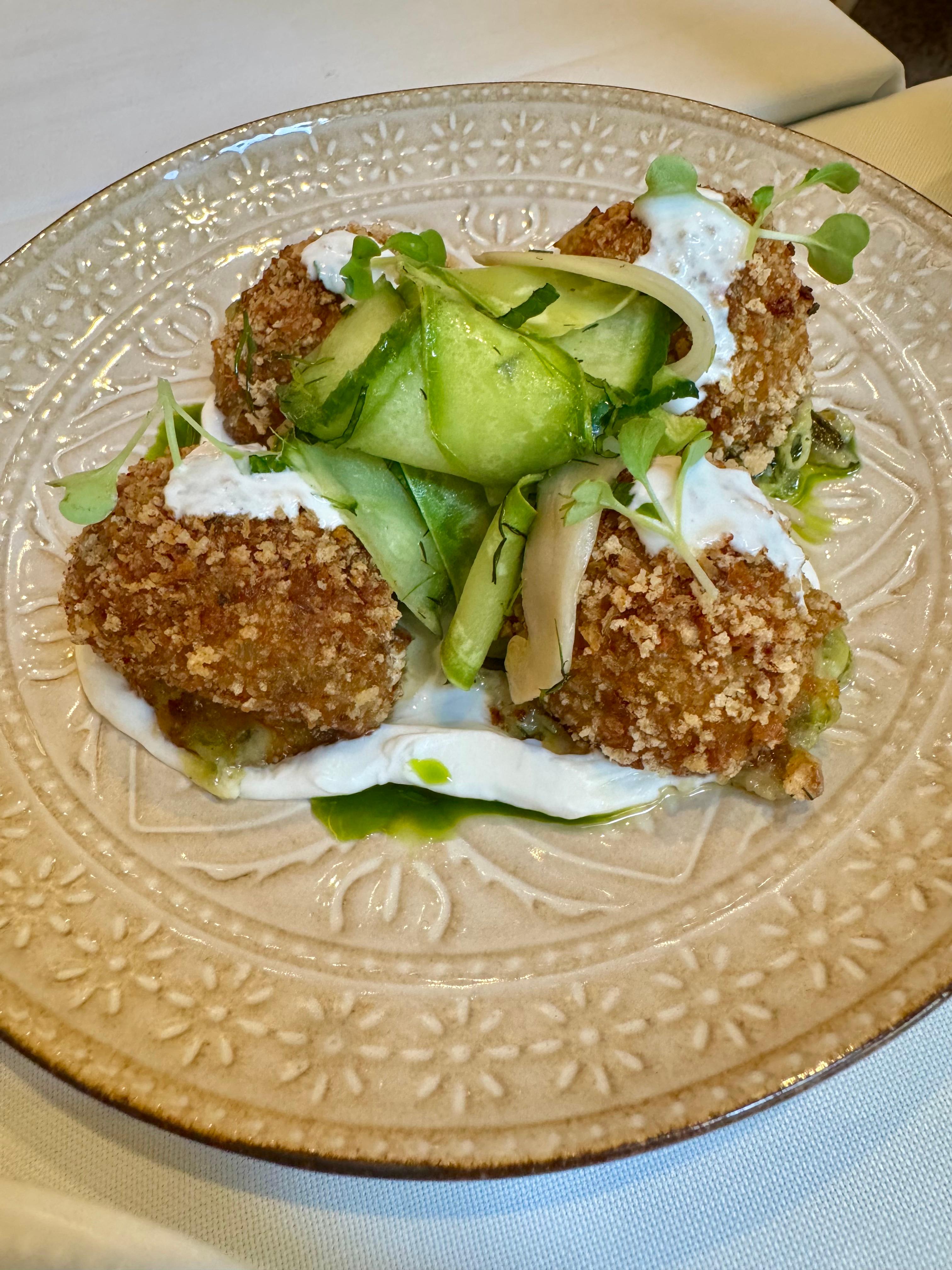
The same philosophy has rubbed off on the chefs: when something runs out, they adapt. The goal is to serve something delicious, fresh, beautiful, and healthy, regardless of the menu. A trip for work inspired Afroditi to initially consider launching this concept in the village, a concept her father didn’t believe in at first. She started with a dining room in the village, and after two years of constant reservations, she decided to open the restaurant in Thessaloniki. She wanted to cook for people who appreciate what she does.
 1
 2
Food is not just about survival; it is also a desire, a ritual, and an experience.
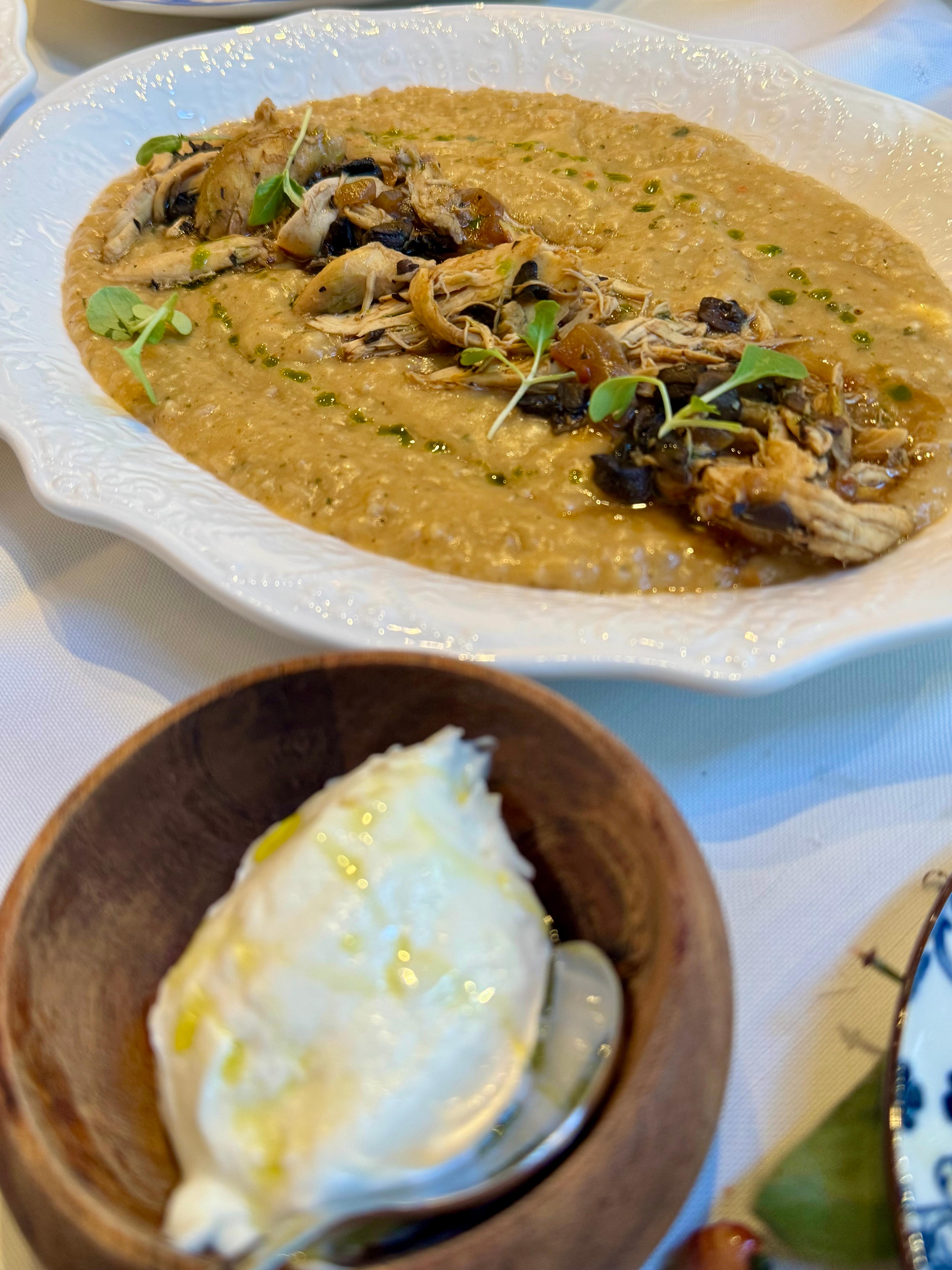 1
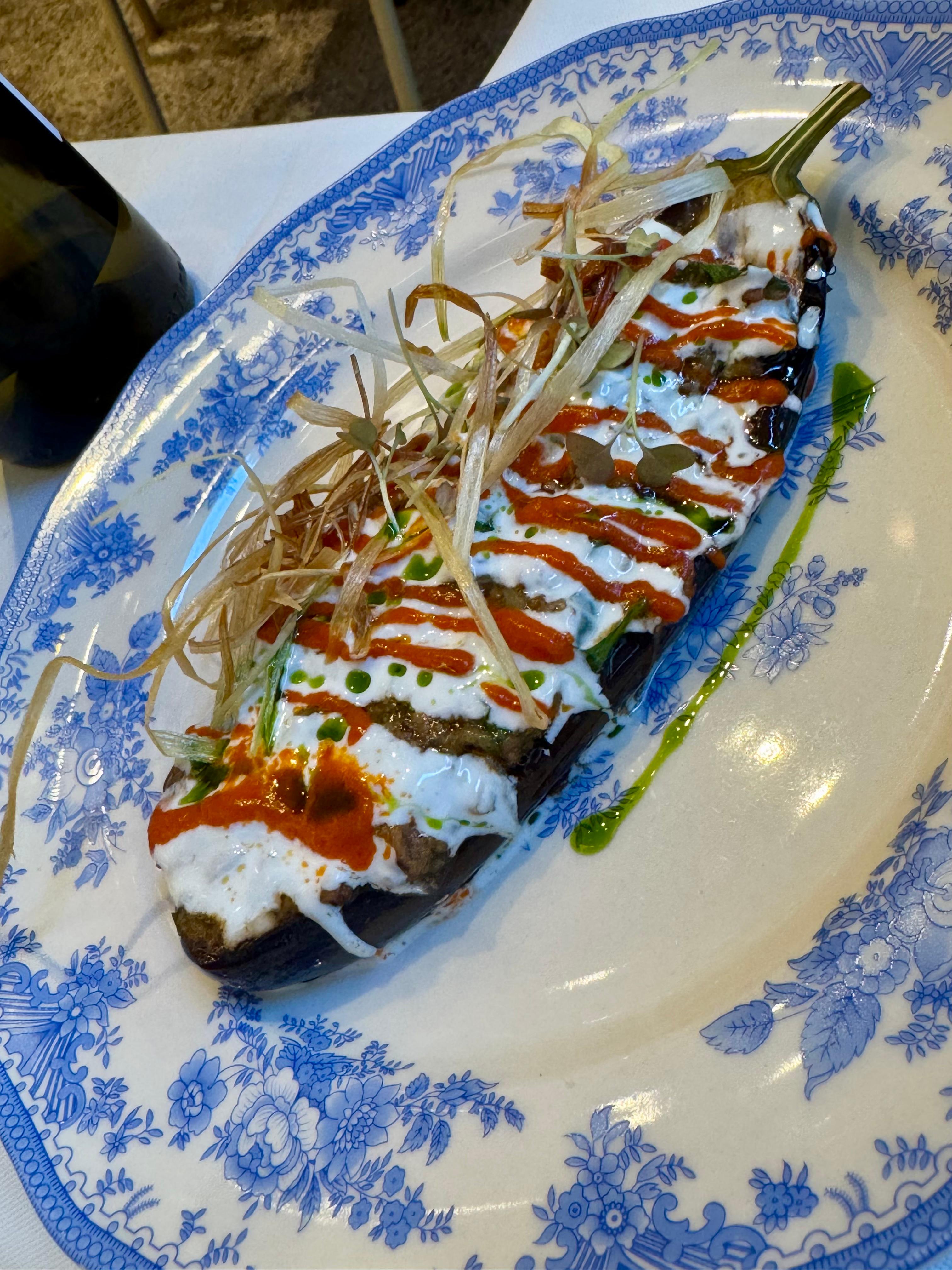 2
That’s why I always felt right at home whenever I went to eat at Anastoro. The ritual surrounding the meal is its most charming aspect, and it’s something I experienced not only through the dishes and their presentation but also in the way they were served to my table each time. Even the timing plays a role in how you’ll enjoy a dish. Even though many of these dishes had names whose meanings I didn’t know at all. The experience takes on a whole new dimension when, beyond the new flavor combinations, you also discover the words behind what you’re tasting. And in my case, I learned many new Pontic Greek words.
A few of the words I picked up: thogala (θόγαλα) is something like the cream of the milk; xygali (ξυγάλι) is yogurt, from the ancient Greek oxygalon (οξύγαλον); demes (δεμές) is a hand-kneaded bread made with barley flour; petimezi (πετιμέζι) is a syrup usually made from grape must, though here it is also made from wild cornelian cherry, roasted pepper and plum; and stipa (στύπα) is the Pontic word for pickles.
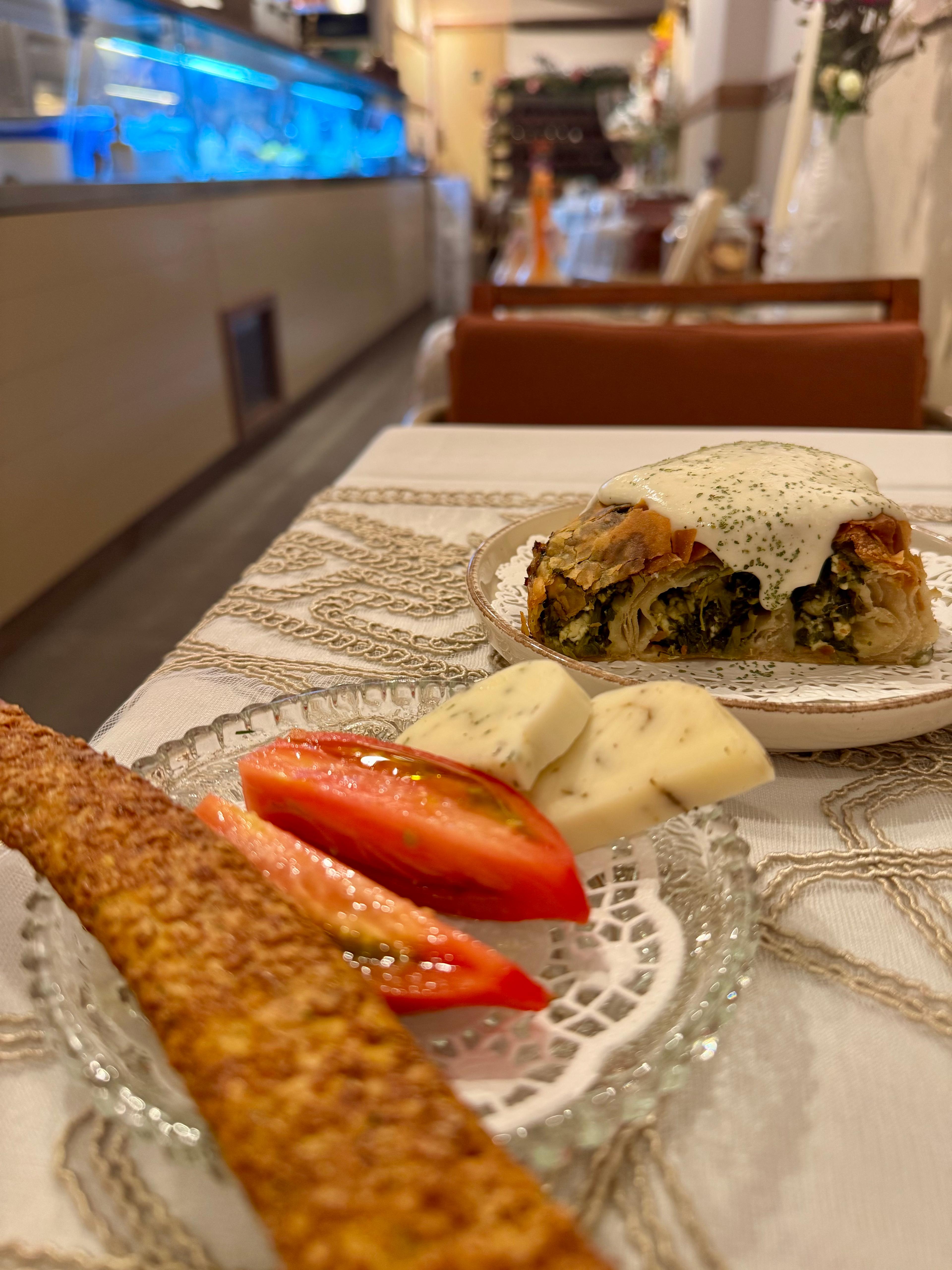 1
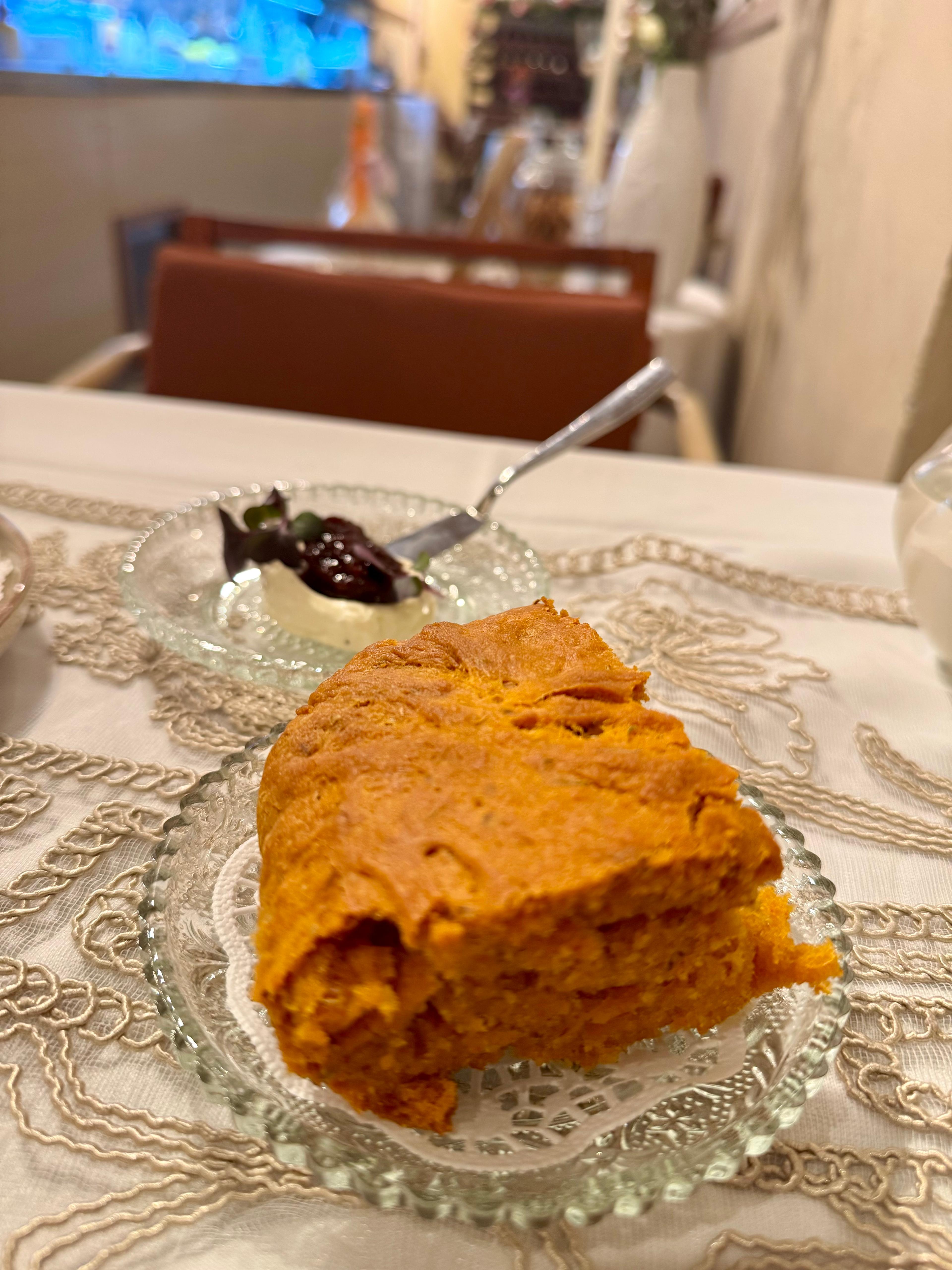 2
The restaurant is small and the farm production is limited, something I realized even after eating there twice in just a few days because of the menu’s changes. You come here to rediscover the lost flavors of a bygone era, when food was simpler and based on the fresh ingredients that were available, not to eat something trendy. The freshness of the vegetables you’ll find in Anastoro’s dishes is undeniable and hard to come by, and in their dishes you’ll taste something very special: the carefree days of your childhood.
Get new posts in your inbox, every Saturday
No spam. Just new stories, recipes, and places, in one email every Saturday.
 1
 2
Thessaloniki has always been a pioneer in Greek gastronomy and continues to find ways to stand out. At Anastoro, whose name means “I bring to mind,” you’ll recall dishes you may have never tasted before but that bring back memories, both in your mind and on your palate. The people behind the farm that supplies the restaurant, as well as those who work there (who are sometimes one and the same), make every visit special because they make you a part of their entire culinary experience. And to quote Afroditi one last time:
Forget the menu; we’ll tell you what you could eat.
Thessaloniki, Greece
Lori Margariti 11, Thessaloniki
A restaurant in downtown Thessaloniki that offers creative dishes made almost exclusively with ingredients from their own farm, Ragian.
